ISLAMABAD: Anti-tobacco activists have urged the government to increase the tax on tobacco products as raising taxes has proved to be the most effective way to reduce tobacco consumption.
According to the World Health Organisation (WHO) data published in 2012, if all countries increased excise duty on cigarette packs by 50pc, there would be 49 million fewer smokers, which would avert approximately 11 million deaths caused by smoking.
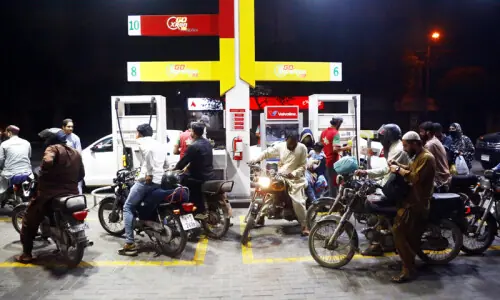
Human Development Foundation Chief Executive Officer Azhar Saleem said that tobacco use in Pakistan was on the rise and over 163,000 people die annually due to the diseases caused by it and Rs143.2 billion is lost as economic costs.
The use of tobacco is reportedly the highest among poor households of the country as almost 4.1pc of their income is spent on purchasing tobacco.
WHO data says if levy increased, it will avert 11 million deaths from smoking
For families, spending on tobacco means that there is less money to spend on essential needs like housing, food and education.
He said there can be multiple sources of revenue if the government decides to generate more funds to sustain its relief packages for underprivileged persons, for which raising the amount of taxes on non-essential products, should be the way forward.
In 2019, the cabinet approved a surcharge of Rs10 per pack of cigarettes and Rs1 per 250ml of a sugary drink. Since over 4 billion cigarette packs are produced every year, Rs10 per pack would have generated about Rs40 billion and since 10 billion 250ml bottles — or equivalent — of sugary drinks are produced every year, it would have generated another Rs10 billion, making a total of Rs50 billion.
Meanwhile the general secretary of Pakistan National Heart Association said that millions of people, who are addicted to tobacco and sugary drinks, die every year and billions of rupees are spent on the treatment of the sick.
If the young generation is to be saved from the use of tobacco and sugary drinks, the government will have to enact legislation to prevent tobacco use, he added.
Tobacco growers meet NA speaker
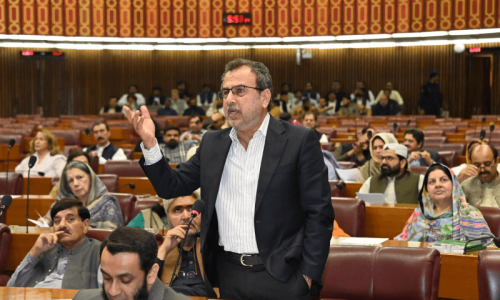
A delegation of farmers from the Kashtkar Association from Khyber Pakhtunkhwa met National Assembly Speaker Asad Qaiser on Monday and lauded his support for tobacco growers of the province, which lead to a 137pc increase in the export of tobacco leaves.
They assured the speaker that withdrawal of advance tax would help in creating more jobs in the country and increase exports of the produce. Mr Qaiser is also the head of National Assembly Special Committee on Agricultural Products, which was formed to put together viable policies to boost the agricultural sector along with the income of farmers.
After the withdrawal of advance tax on tobacco leaf, farmers have been able to compete with other suppliers in international markets and an increase of more than 137pc in the growth of tobacco leaves was witnessed in July 2020, compared to exports during the same period last year.
Mr Qaiser took up the issue of advance tax with the Federal Board of Revenue (FBR) on demand of tobacco farmers before the budget. The speaker helped them get an advance tax of Rs500 per kilogramme.
The delegation was led by Liaqat Khan Yousufzai and Mohammad Iqbal. Farmers have fulfilled their promise by helping the country increase tobacco exports, members of the association said and thanked Mr Qaiser for his timely intervention to get the advance tax withdrawn.
“Pakistan was producing quality tobacco crop and there was a huge potential for its exports, hoping that the country could earn a sizable foreign exchange through it,” Mr Iqbal said.
Data from the Pakistan Bureau of Statistics shows that tobacco exports from the country were recorded at $2.17 million during July 2020 against $910,000 during July 2019.
In terms of quantity, export of tobacco also increased by 151.9pc, going up from 268 tonnes to 675 tonnes.
Published in Dawn, September 15th, 2020