Nato says 'up to Russia' to save Cold War arms treaty


 1
1


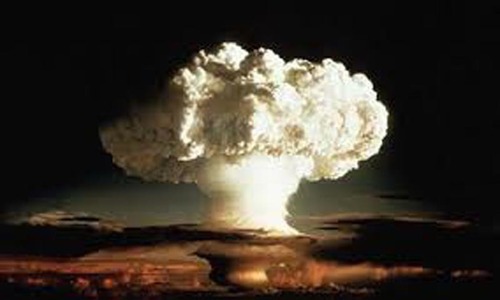
Nato said on Tuesday it is “up to Russia” to save a Cold War nuclear arms reduction treaty that the US has threatened to leave, accusing Moscow of breaching the agreement.
“We call on Russia to return urgently to full and verifiable compliance. It is now up to Russia to preserve the INF treaty,” foreign ministers from the 29-member alliance said in a joint statement after talks in Brussels.
Western powers say a Russian missile system developed and fielded over the last five years breaches the 1987 Intermediate Range Nuclear Forces (INF) treaty.
In October, President Donald Trump declared the United States would pull out of the treaty and build up America's nuclear stockpile “until people come to their senses.”
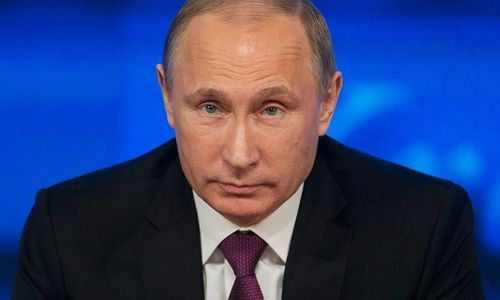
But on Monday, the US leader said he wants talks with his Chinese and Russian counterparts Xi Jinping and Vladimir Putin “to head off a major and uncontrollable Arms Race.”
Trump's chief diplomat Secretary of State Mike Pompeo was at Nato headquarters for a ministerial meeting on Tuesday and won support for a tough stance from the allies.
“The United States has remained in full compliance with its obligations under the INF Treaty since it entered into force,” the ministers said in their joint statement.
“Allies have emphasised that the situation whereby the United States and other parties fully abide by the Treaty and Russia does not, is not sustainable,” they warned.
“Russia's violation of the INF Treaty erodes the foundations of effective arms control and undermines Allied security. This is part of Russia's broader pattern of behaviour that is intended to weaken the overall Euro-Atlantic security architecture. “