71
71
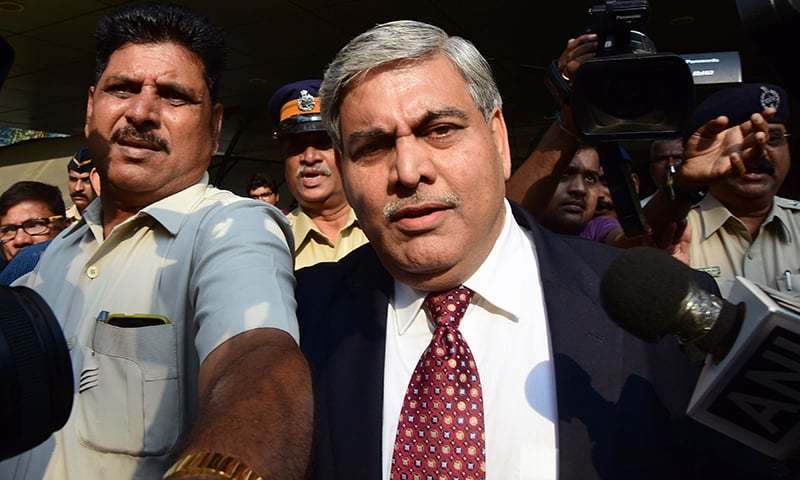
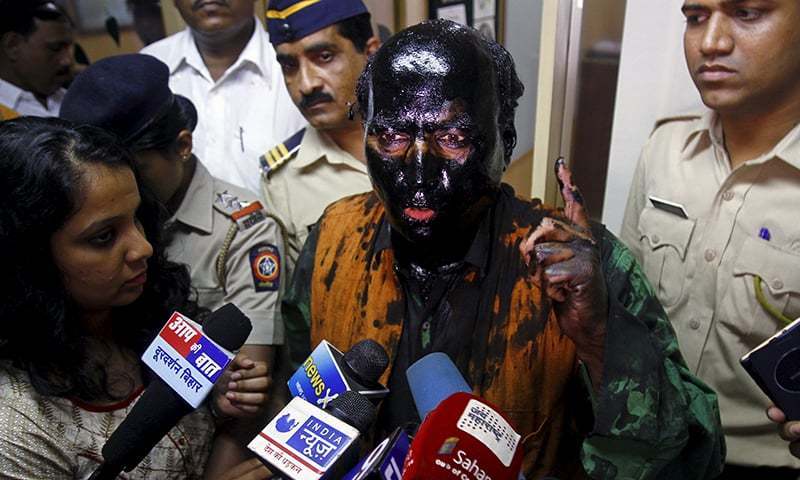
The BJP and Shiv Sena are both allies and competitors: joined together in government at the centre and in Maharashtra, but competing for the vote bank.
As the junior partner to the BJP and thought to be drifting to the margins in terms of relevance and popularity, the Shiv Sena now appears to be keen to grab the headlines in the only way it knows — letting loose its activists and indulging in vandalism and Pakistan-bashing.
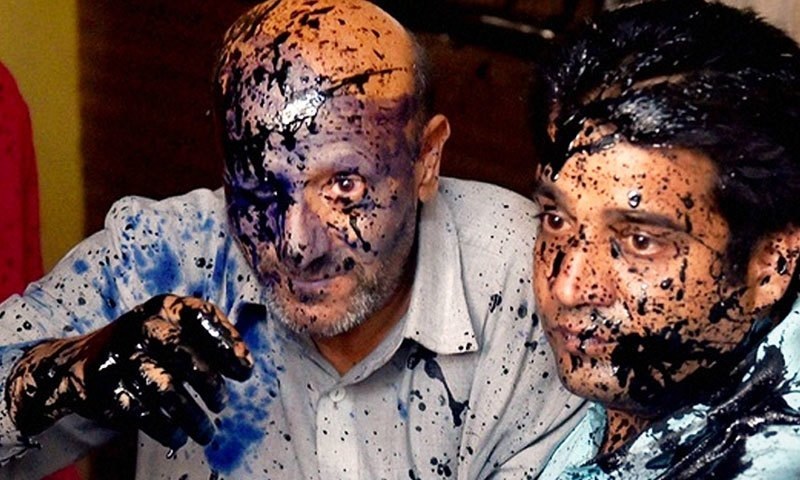
Thrice now in a week, Shiv Sena activists have tried to bully and intimidate — and even assaulted in the case of Sudheendra Kulkarni, the host of the Mumbai leg of former foreign minister Khurshid Kasuri’s book tour — public figures and officials seen as friendly to Pakistan or working towards normalisation of ties between the latter country and India.
Also read: From saffron to red: Welcome to Modi’s India
On Monday, it was the PCB leadership’s turn to be harassed in the city as Shiv Sena activists raided the BCCI headquarters ahead of a meeting to discuss a cricket series. Only after the personal intervention of the Maharashtra chief minister, the BJP’s Devendra Fadnavis, and the provision of extra security was there some respite.
Yet, how much of the growing climate of intimidation and fear in India is because of the BJP’s unwillingness to condemn intolerance and Hindu extremism, indeed, in several instances directly encouraging it?
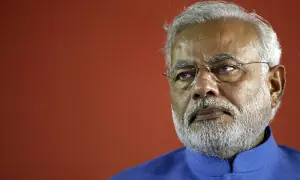
In many ways, in returning to its old habits, the Shiv Sena appears to have taken its cue from Prime Minister Narendra Modi’s own brand of right-wing politics. Consider that at various points the BJP government in New Delhi has deliberately stoked anti-Pakistan sentiment and campaigned aggressively for the so-called Hinduisation of Indian politics.
A dangerous precedent was set last year with elections in India-held Kashmir. That result produced a historic PDP-BJP alliance, but it did so only after the BJP had further communalised politics in the disputed region.
Empowering and encouraging right-wing religious extremists may win short-term political benefits for a government, but this is at great cost to both state and society — costs that materialise relatively quickly.
The Pakistani experience, where there have been similar experiments with fusing religion and politics, ought to be a sobering example.
For the moment, however, neither the Shiv Sena nor the BJP leadership appear likely to be deterred. Secular, progressive Indians are beginning to raise their voices and condemn the distorted politics and religious extremism, but Prime Minister Narendra Modi’s government continues to enjoy significant popularity.
Ideally, the BJP’s popularity should give it the political space to condemn a junior partner’s unacceptable behaviour. But in this case, the BJP’s silence outside Maharashtra — where political considerations are provoking a response — appears to be either a tacit acceptance of the situation or a signal for the Shiv Sena to continue with its dangerous provocations. India may not yet be on a knife-edge, but it is tilting in the wrong direction.
Published in Dawn, October 21st, 2015
On a mobile phone? Get the Dawn Mobile App: Apple Store | Google Play