11
11

KABUL: Two more senior figures in the Taliban's Qatar political office have resigned, militants said Thursday, as the movement began efforts to reconcile feuding factions amid an increasingly bitter leadership struggle.
Splits have emerged at the top of the Taliban following the appointment of Mullah Akhtar Mansour as replacement for Mullah Omar, the movement's founding leader whose death was confirmed last week.
Read: Facing dissent, Afghan Taliban meet to resolve leadership dispute.
Some top leaders of the Islamist insurgency, including Omar's son and brother, have refused to pledge allegiance to Mansour, saying the process to select him was rushed and even biased.
Tayeb Agha, the head of the Qatar political office set up in 2013 to facilitate talks with Kabul, resigned on Monday in protest at Mansour's appointment and on Thursday two more members followed suit.
Take a look: Head of Taliban’s Qatar office quits.
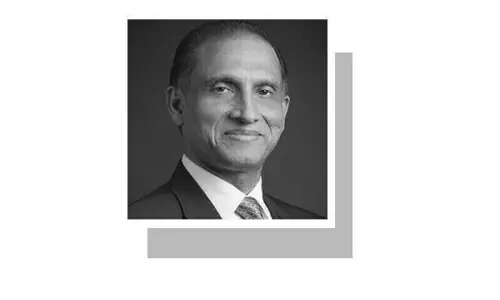
Former diplomat Aziz Rehman and Mawlavi Nek Mohammad, who served as a deputy minister during Taliban rule, both stepped down, according to a statement issued through a recognised Twitter account used by the political office.
The insurgent group on Thursday named Tayeb's deputy Muhammad Abbas Stanakzai, who served in the 1996-2001 Taliban government, as the acting head of the Qatar office.
The news, underlining the deepening divisions in the movement, came as militant sources said clerics were leading meetings in Pakistan, where some Afghan Taliban commanders are in hiding, to try to patch things up.
At one gathering on Wednesday, Mansour met Omar's brother Mullah Abdul Manan and urged him to accept his leadership to ensure the unity of the movement, militant sources told AFP.
Omar's son Mullah Yakoub has been touted as a possible alternative leader, but a Taliban cadre said some senior clerics are openly opposed to him.
They argue the family link is not a good reason to be chosen as Taliban leader, saying Islam as a religion is against choosing someone on the basis of inheritance.
The bid to heal the rifts is expected to drag on for weeks, depriving the Taliban of clear leadership at a crucial moment as it considers whether to pursue a peace process with Kabul and faces a rising threat from the rival Islamic State group.
Many militants oppose what they see as Pakistan's attempt to force the Taliban into direct peace talks with the Afghan government.
Mansour and his two newly named deputies are seen as close to the Pakistani military establishment, which has historically nurtured and supported the Taliban.
But despite the divisions, there has been no let up in insurgent attacks.
A total of nine people were killed Thursday in multiple attacks on police targets – the first first major Taliban assaults since the announcement of Omar's death.