11
11
KARACHI: Two deaths from the Crimean-Congo fever within the span of a few weeks, with the latest being very close to the coming Eidul Azha, have alarmed doctors and health officials alike.
In the absence of a vaccine, taking preventive measures particularly while visiting cattle markets is the only way to protect against the disease, says Dr Syed Faisal Mahmood, assistant professor of infectious diseases at the Aga Khan University Hospital.
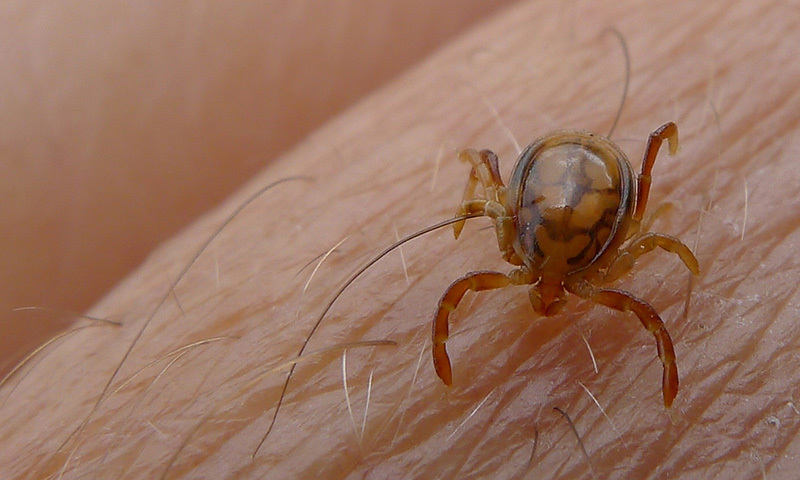
“It is not an airborne disease but is spread after a tick, coming from an animal, bites a person. They are too small to be seen. It’d be better to wear a long-sleeved shirt before going to buy animals.
“Applying an insect repellent before stepping in a cattle market and taking a shower shortly after coming home will be quite helpful,” he advises people intending to visit cattle markets soon.
Mostly animals infected with the tick-borne virus look healthy and it is difficult to identify which one is infected, he adds.
“But it is important for those involved in slaughtering animals around Eid to cover their mouth with a piece of cloth and, if it is possible, their eyes with goggles,” he says, adding that they need to ensure no droplet of animal blood enter their eyes or mouth.
However, the expert makes it clear that an infected animal’s meat can be cooked. “There’s no harm in cooking or eating the meat of a slaughtered animal that has been infected by the virus,” says Dr Mahmood.
Speaking about treatment, Dr Mahmood says, “medicines, which are given to control the fever, work against the body, affecting other organs in return. It is not an easy disease to treat.” He refers to the recent case of 51-year-old Mohammad Javed who died within one day after being admitted to a hospital. In most cases, he says, the patient survives for at least two weeks. About those who recover, their condition improves after the 10th day of getting the illness, the doctor observe.
“This disease has existed in our region for many years now, though it is found specifically in the northern areas of Pakistan. You won’t find that many cases in Karachi, but the number of cases coming from the northern areas has increased since last year,” he adds.
The Crimean-Congo Hemorrhagic Fever got its name after the disease was first reported in the 1940s in Crimea and later in Congo in the mid-1950s.
Published in Dawn, September 28th, 2014