0
0
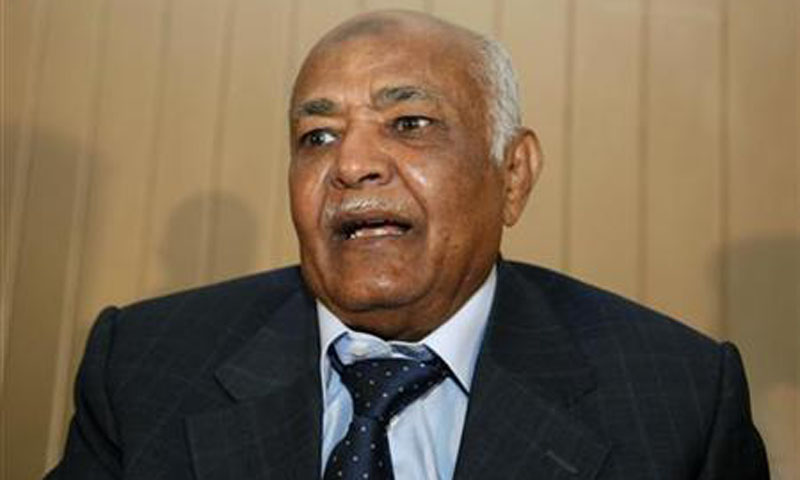
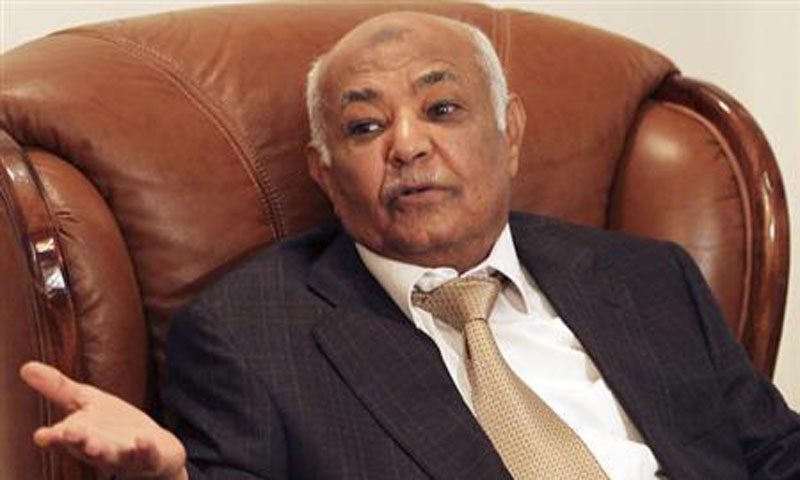
SANAA: Unidentified assailants opened fire on the motorcade of Yemen's prime minister on Saturday, an aide said, in an apparent assassination attempt that underscored the volatility of the US-allied Arab country.
Ali al-Sarari, an adviser to Prime Minister Mohammed Salem Basindwa, said no one was hurt in the attack which happened in the evening in Sanaa while the premier was returning home from his office.
No one has claimed responsibility for the attack.
But Yemen is home to Al Qaeda in the Arabian Peninsula (AQAP), considered one of the most aggressive branches of the global militant organisation, which has previously targeted top officials.
“We strongly condemn this brazen assassination attempt and remain committed to supporting Yemen as it pursues meaningful and peaceful reform through its ongoing transition process,” a US State Department official said in Washington.
President Abd-Rabbu Mansour Hadi said last week that the AQAP's leader had vowed in an intercepted phone call to carry out an attack that would “change the face of history”, and that this was what had led to the temporary closure of many US and other Western embassies in the Middle East, Africa and Asia earlier in August.
Sarari said Basindwa's guards identified the license plates of the car used in the attack and security forces were trying to track it down after the assailants fled the scene.
Basindwa was chosen to head a government of national unity in 2011 after long-serving President Ali Abdullah Saleh quit under a Gulf-brokered power transfer deal that propelled his deputy, Hadi, to power.
The US government supports Yemeni forces with funds and logistical support, and has regularly used drones to hunt down al Qaeda militants.
A local Yemeni source said on Friday that four suspected militants were killed in a US drone strike in the central al-Bayda province.
But the Interior Ministry said on Saturday that five local al Qaeda leaders, all from the same extended family, died in an air strike in al-Bayda province.
It identified them as Qa'ed al-Dahab, Ali Jalloud al-Dahab, al-Hamdani al-Arbaji al-Dahab, Deifallah Ahmed Deifallah al-Dahab and Mohammed al-Doukhi al-Dahab.
Local sources identified Qa'ed al-Dahab as the commander of an al Qaeda-linked group in al-Bayda and said he had previously escaped at least two drone strikes.
Apart from the al Qaeda threat, Yemen is grappling with a host of challenges as it tries to restore state control over the country after months of turmoil in 2011 that saw Saleh step down.