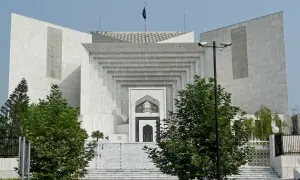
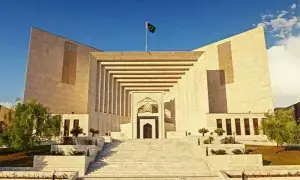
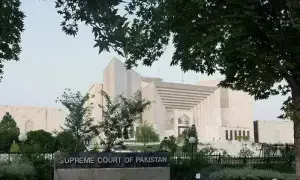
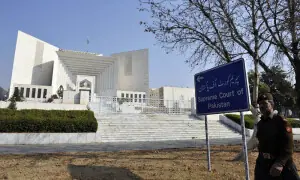
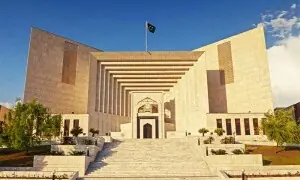
Sets aside PST decision against three HUD, PHED officials; warns against "callous and reckless approach" that violates procedure and denies fair trial rights.
Jinnah's preference for a federal court with narrow, constitution-specific jurisdiction was born out of political necessity, not constitutional philosophy.
Eighteen years after the lawyers’ movement, when three friends and colleagues, bound by a shared belief in the Constitution, were tested once more, only two remained true to that promise.
The fight against the 26th and 27th Amendments is a fight for every Pakistani’s right to justice. It is not a fight to protect the judiciary for its own sake.
The encroachers are the same as they were in 2007; more brazen now because their handmaidens all recognise that the sell-out date on their popularity has long passed.
The main focus of the 26th and 27th amendments — for all the wide-ranging havoc they have brought and will bring to the judiciary — leaves 98pc of cases and 98pc of the litigant public untouched.
Says there was no justification in giving relief to the PTI under Article 187, especially when appeals were filed and pursued by the Sunni Ittehad Council.