SC upholds PHC interpretation of ombudsperson’s jurisdiction

• Rules ombudsperson can’t challenge order setting aside its decision
• Rejects KP govt, ombudsperson appeal over lack of locus standi
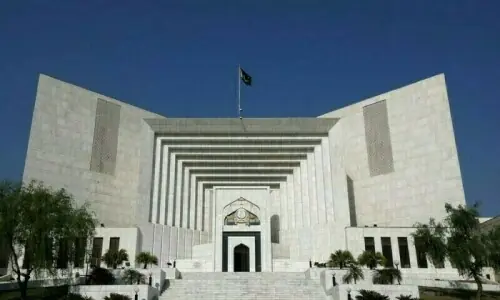
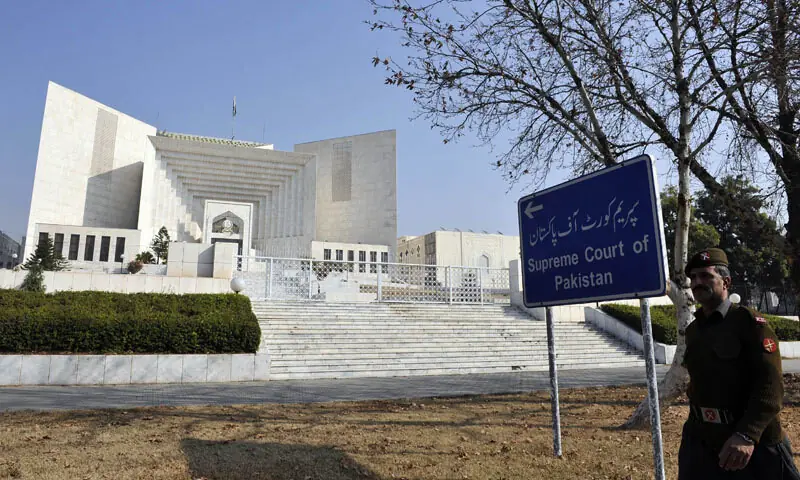
ISLAMABAD: The Supreme Court on Tuesday dismissed a civil appeal filed by the Khyber Pakhtunkhwa government and the provincial ombudsperson, holding that both lacked locus standi (legal standing) to challenge an Oct 31, 2025, order of the Peshawar High Court (PHC), which merely had interpreted the ombudsperson’s jurisdiction.
A two-member bench comprising Justice Musarrat Hilali and Justice Shakeel Ahmed took up the civil appeal filed by the KP government through the chief secretary and the provincial ombudsperson.
In her written judgement, Justice Hilali observed that the controversy before the court was confined to a narrow question: whether the petitioners possessed the requisite locus standi for the instant civil petition to be maintainable.
She noted that the ombudsperson, while performing statutory functions, acts as a neutral adjudicatory authority. Once its order was subjected to judicial scrutiny and set aside, it could not claim to be an aggrieved party entitled to invoke the Supreme Court’s appellate jurisdiction.
Justice Hilali said the PHC had examined the legality and jurisdiction of the ombudsperson’s orders and set them aside, but had not adjudicated upon the vires of the governing statute, i.e. the Khyber Pakhtunkhwa Enforcement of Women Property Act, 2019.
The high court had expressly observed that matters relating to the legislative framework fall within the exclusive domain of the legislature, she added.
The Supreme Court held that the case did not involve the enforcement of fundamental rights, a challenge to legislative action or issues of public importance warranting a relaxed or expanded concept of locus standi.
Instead, it arose from a private dispute between individuals concerning jurisdictional limits under a statutory framework, where settled principles of locus standi applied.
Consequently, the appeal was dismissed on the ground of lack of locus standi.
Justice Hilali also observed that the PHC, in deciding the matter, had confined itself to interpreting Sections 4 to 7 of the Act and delineated the categories of cases falling within the ombudsperson’s jurisdiction.
It held that disputes involving questions of title, partition, competing civil claims or issues requiring detailed adjudication were beyond the ombudsperson’s domain, particularly when pending before competent courts.
She said these findings were jurisdictional and factual in nature and did not affect any legal right, interest or statutory function of the government or the ombudsperson so as to render them aggrieved parties.
The KP government, which was neither the beneficiary of the ombudsperson’s orders nor directly prejudiced by the PHC’s consolidated judgement, could not claim locus standi merely to support or revive an order passed by a statutory forum, Justice Hilali observed.
She also noted that the PHC had neither invalidated any statutory provision nor questioned the legislative competence underlying the establishment or functioning of the ombudsperson.
In the absence of any finding on vires, the government could not claim any legal injury warranting the invocation of the Supreme Court’s jurisdiction.
In a separate note, Justice Shakeel Ahmed observed that if every tribunal or quasi-judicial authority were allowed to challenge adverse judgements to vindicate its reasoning, it would open the floodgates to unnecessary litigation, erode the hierarchy of judicial review and undermine public confidence in the impartiality of adjudicatory bodies.
He said that neither the ombudsperson nor the KP government had established the necessary locus standi to maintain the civil petition for leave to appeal.
Published in Dawn, February 25th, 2026