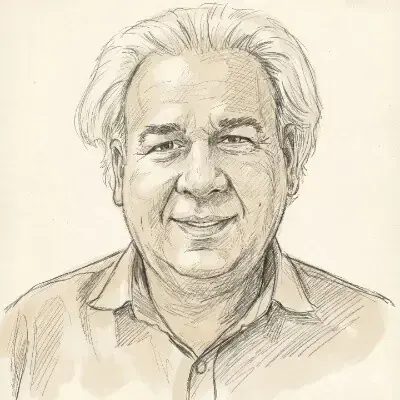
KARACHI, Oct 2: A literary reference to pay homage to distinguished Urdu poet, critic and researcher Dr Wazir Agha, who passed away on Sept 8, was held at the Anjuman-i-Tarraqqi-i-Urdu office on Saturday.
The programme was presided over by poet Sahar Ansari. Adabi Duniya Auraq Jadeed Urdu Tanqeed inshaya nigari
In his introductory remarks Syed Azfar Rizvi talked about Dr Wazir Agha's literary achievements. He said though Dr Agha did his MA in Economics from Government College, Lahore, he chose a literary subject for his PhD. Dr Agha was initially associated with literary journal and then became editor of another literary magazine, . Mr Rizvi briefly touched upon Dr Agha's contribution to the Anjuman when in 1988 he read out a research paper, (modern Urdu criticism), which was later published. He said Dr Agha wrote nine books on criticism, three collections of verse and a biography, and was the pioneer of the genre of . inshaya
Sabir Nizami was the first speaker. He said: “When we analyse the literary achievements of a person, the first thing that we see is whether he or she did enough as part of her/his contribution to literature. The answer is, yes, Dr Agha did much more than that.” He said Dr Agha was the trailblazer as far as the was concerned, and whatever he put his mind to, it became part of the entire literary environment.
Poetess Rukhsana Saba then paid tribute to Dr Wazir Agha in verse, which was very well received by the audience. Auraq
Dr Shadab Ehsani was the penultimate speaker of the programme. He said Dr Wazir Agha was a creative person, a critic and a researcher and all three aspects of his literary being could be detected in each of the disciplines that he dabbled in. He said a marked feature of his personality was that he promoted the younger generation of creative individuals. One of the reasons for that could be the fact that when Dr Agha was young it was difficult to get things published in literary journals, but today's younger lot found it much more easier to have access to quality papers. He said as editor of Dr Agha did a remarkable job.
Prof Sahar Ansari in his speech highlighted the fact that Dr Wazir Agha was from Sargodha and another literary giant, Ahmed Nadeem Qasmi, was also from the same region, but in their later stages of literary life both developed differences that were known to the readers of Urdu literature. Dabsistan-i-Sargodha
He said apart from Sargodha, Dr Agha and Qasmi shared a few other things – both were editors and were known for their inventiveness. He said despite coming from an affluent background (zamindar), Dr Agha devoted his life to the world of literature. He said today there's a because Dr Agha encouraged and promoted young writers no end. Halqa-i-Arbab-i-Zauq Takhleeqi Amal
Prof Ansari said in terms of ideology Dr Agha was closer to the , that is, he could relate to poets like Miraji and N. M. Rashid. He said not only did Dr Agha keep himself attached to the classical traditions of literature, but was also abreast of the modern trends, which is why he could write books like . Dr Agha was also an extremely cultured human being, he said.
Jamiluddin Aali, Dr Jamil Jalibi and Dr Farman Fatehpuri were to take part in the literary reference but due to different reasons couldn't make it.