Aramco skyscraper damaged as Houthis target Riyadh financial district
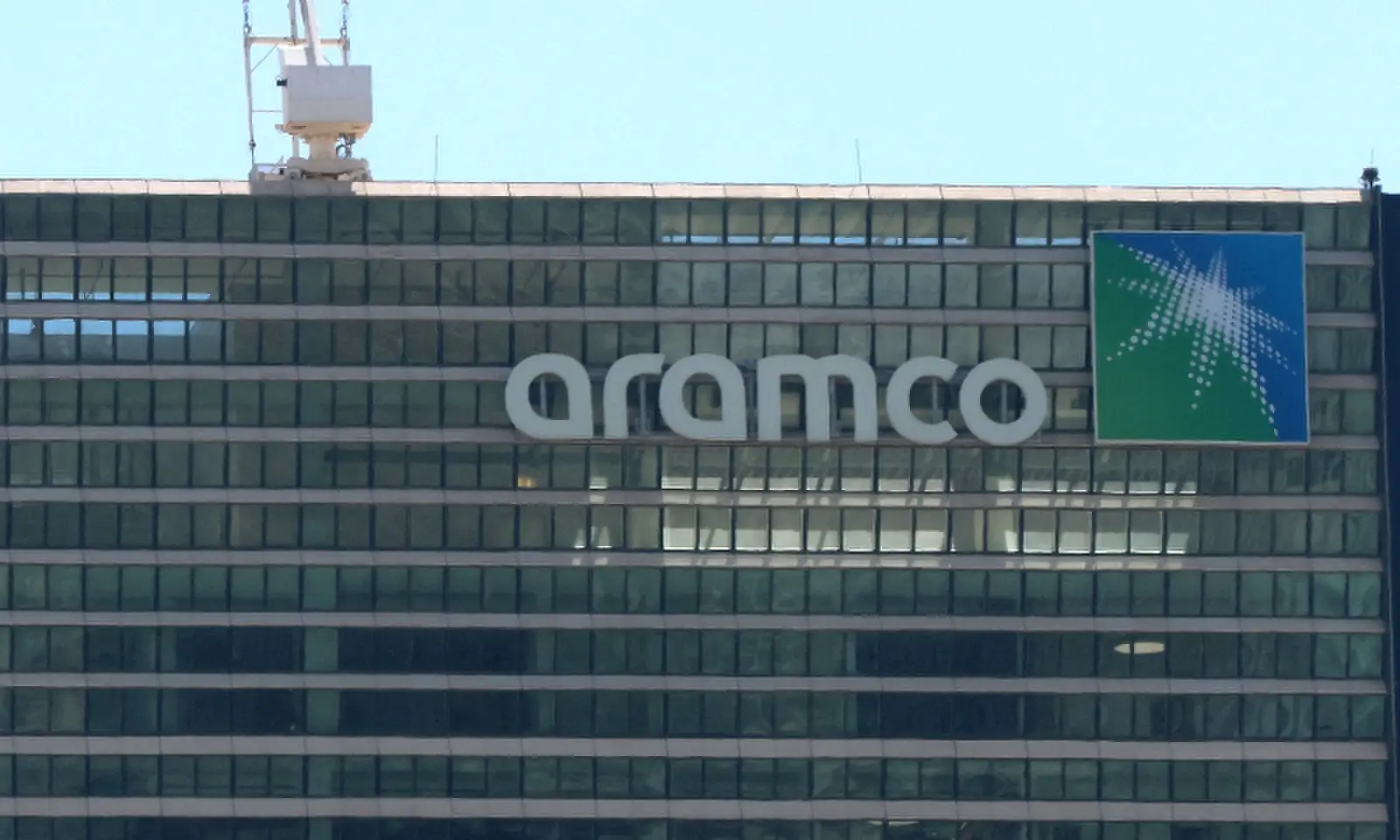
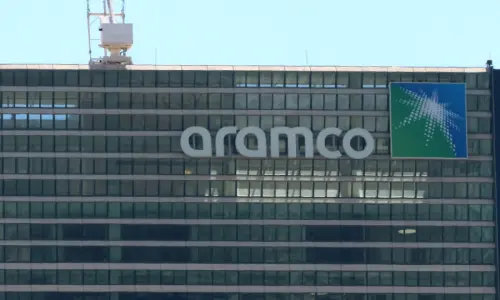
An Aramco building in Riyadh was targeted in an “attempted attack”, the Saudi energy ministry said on Sunday, with eyewitnesses telling AFP the skyscraper sustained damage, after the Saudi-led coalition fighting Houthis said it had intercepted missiles launched by the group.
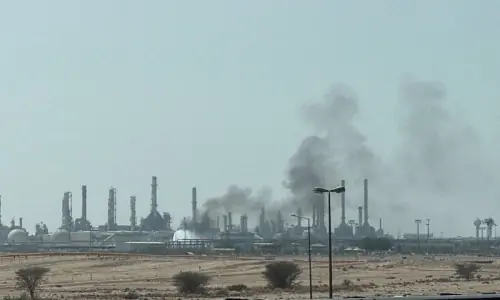
Houthis claimed responsibility for the attack. Aramco facilities and infrastructure have been repeatedly struck by the rebels in Yemen in recent months, with tankers, refineries, storage areas and the company headquarters all targeted by the group.
The energy ministry said in a statement that “an administrative building belonging to Saudi Aramco in Riyadh was subjected to an attempted attack today”.
“The incident resulted in falling shrapnel that caused minor damage to the building, with no injuries or fatalities reported, thankfully.”
Houthis “carried out four qualitative military operations, using a number of ballistic and cruise missiles and drones”, the group claimed in an English-language statement, listing targets including the financial centre, Riyadh airport, Aramco oil storage tanks and the eastern Saudi city of Abqaiq.
“Aramco tower in KAFD has been targeted, that’s the sure thing,” an eyewitness told AFP, referring to the King Abdullah Financial District. Two other witnesses confirmed seeing damage to the building.
The Houthis seized the Yemeni capital Sanaa in 2014.
A 2022 truce that had paused fighting in the long-running conflict fell apart in July, and Saudi Arabia has since traded blows with the Houthis, who have struck Saudi airports, energy infrastructure and military sites.
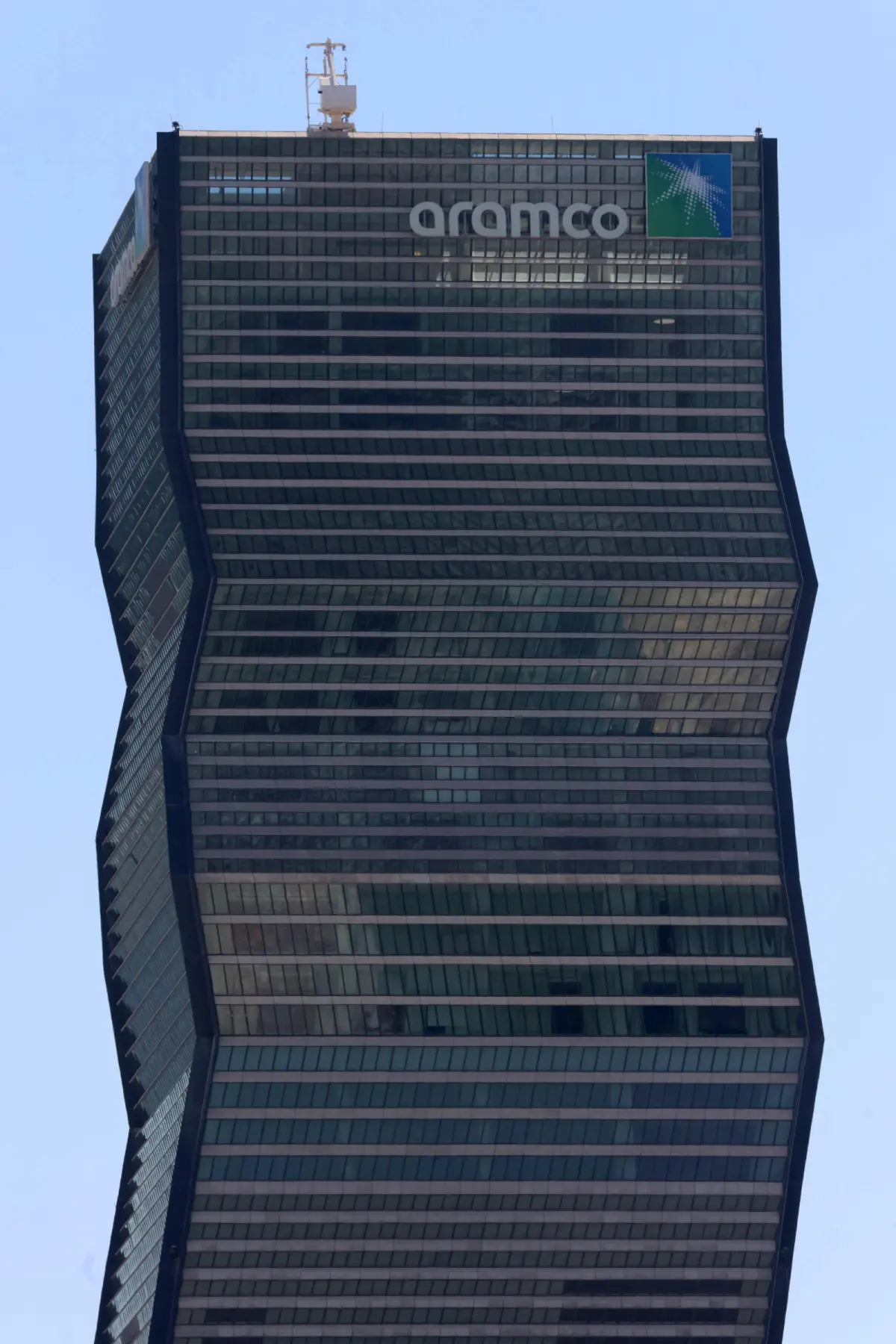
KAFD is one of the most visible manifestations of the kingdom’s ongoing economic and social reforms drive, with towering glass skyscrapers, high-end retail outlets and green spaces dotting the area.
The area is home to some of the kingdom’s biggest homegrown companies and blue-chip international firms like Goldman Sachs.
The headquarters of the kingdom’s influential sovereign wealth fund — the Public Investment Fund — and the Saudi stock exchange are also located in the heart of the district.
Targeting the area, which is also home to residential housing and a large metro station with heavy commuter traffic during the morning rush hour, would mark a major escalation in the kingdom’s fight with the Houthis.
Loud explosions heard
The attack came hours after the kingdom’s education ministry announced, late on Saturday, the return of in-person schooling after weeks of remote learning in Riyadh following an earlier wave of strikes.
Coalition spokesperson Turki al-Malki, in a Sunday morning social media post, said that “air defences intercepted and destroyed two ballistic missiles launched by the Houthi terrorist militia towards Riyadh”, as loud explosions were heard in the Saudi capital.
The kingdom has been pressing allies for help as it comes under daily fire from the Houthis that recently seized swathes of the Red Sea coastline from the Yemeni government.
A strike on Riyadh’s international airport in October left 13 people dead in the worst attack on the kingdom since 2015.
Islamabad, which has two mutual defence pacts with Riyadh, has condemned Houthi attacks multiple times, terming them a grave violation of the kingdom’s sovereignty.
Pakistan and Riyadh have signed two defence pacts aimed at collective deterrence, the Strategic Mutual Defence Agreement between the two and the Makkah Joint Defence Agreement that also includes Turkiye.
Under the Makkah Defence Alliance, Pakistani, Saudi and Turkish leaders met in Riyadh and agreed to deploy military forces and capabilities rapidly in the kingdom.
Pakistan is providing “whatever support is needed” to defend Saudi Arabia amid the Houthi attacks, the military’s spokesperson Lieutenant General Ahmed Sharif Chaudhry said in mid-October.
However, the Inter-Services Public Relations (ISPR) director general also clarified that all members of the Makkah Defence Alliance were “absolutely clear […] that this alliance has no offensive intent; it is purely defensive”.
The United Nations says more than 1,600 people have been killed and more than 300,000 displaced since fighting resumed in impoverished Yemen.
The fragile 2022 truce fell apart after the Houthis allowed an Iranian plane to land in Yemen’s capital Sanaa in defiance of Saudi control over Yemeni airspace, setting off a spate of attacks.
Later, the Houthis declared a maritime blockade of Saudi Arabia and began hitting its ships, territory and oil facilities, before seizing Yemen’s entire Red Sea coast in a lightning campaign.