EVERY Ramazan, the scene repeats itself. The sun sets, the fast is broken, the studio lights come up. Hundreds of people in their brightest clothes wave placards and wait to be chosen. On one side of the stage, a row of motorbikes gleams. On the other, cars sit under sponsors’ banners. The host strides out, the crowd roars, and the games begin. Answer a riddle. Recite a tongue twister. Squash a mango into your face, etc. If you are lucky, and loud enough, you go home with a motorbike.
In 2013, you might have gone home with a baby. That Ramazan, the show’s host Aamir Liaquat Hussain handed abandoned infants to screened, childless couples live on TV, between the phones and the land deeds. He insisted it was best for the children. Perhaps it was, but the ratings showed what the show was really for.
We have been watching this for more than a decade. The late Hussain launched the format of Ramazan shows in 2012, and Dawn reported in 2017 that networks earned up to Rs500,000 a minute in ad breaks. Asked why poor winners got luxury cars they couldn’t afford to run, he said they “will be able to sell them”.
I thought of those shows when a wedding in Sialkot turned deadly. The groom was Ansar Mehmood, a TikToker known to his over 800,000 followers as Mr Patlu. Police claim the organisers had advertised the event on social media with prize draws for motorcycles, cars, and other valuables. A large crowd gathered at a cricket ground and then an announcement over the loudspeaker asked everyone to enter the ground at once.
Perhaps it is time to ask what we have been watching all along.
Two people were killed. Many were injured. Six people have been arrested, and, at the time of writing, the TikToker had secured bail.
It would be easy to treat this as a freak accident, or to blame one careless influencer and move on. But the Sialkot wedding is not an aberration. It is the logical next step of a culture we built on television and have now handed to the internet.
The game shows taught us that prizes draw crowds, and crowds draw ratings. Social media has learned the same lesson, and stripped away whatever restraint television had. A TV studio has a set capacity, security staff, producers, and, in theory, a regulator watching. A TikTok giveaway has none of these. An influencer with a phone can summon thousands of people to a field with a single video, promise them a motorbike, and bear no responsibility for what happens when they arrive.
Giveaways are a standard tool of the attention economy. Brands use them, influencers use them, and the logic is simple: offer something for free and the followers come. Most of the time, the cost is a few likes and a lost afternoon. But that Saturday, the cost was casualties.
The more uncomfortable question, though, is not about the influencer. It is about the crowd.
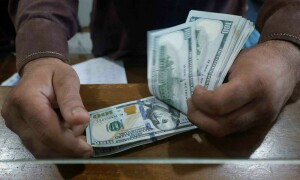
Why would so many people go to a stranger’s wedding on the chance of winning a prize? Because, for many of them, a motorbike is not a toy. It is a commute. It is a job on a delivery app. It is the difference between a son getting to college and staying home. In a country where wages have barely kept pace with prices, a lucky draw is not a game. It is a lottery ticket out.
That is what Hussain understood when he gave away cars he knew winners would sell. The prize was never really the car. It was the money, the escape, the small chance of a better month. Our game shows made entertainment out of that hope. Now our influencers have made a business model out of it.
None of this excuses the organisers. Running an event for thousands of people without proper permits, planning or crowd control is negligence. But arrests will not touch the deeper incentive. As long as hope is cheap and attention is profitable, someone will keep dangling the motorbike.
So what would change it? Clearer rules on public giveaways would help, and so would treating large influencer events like any other public gathering, with permits and safety checks. Platforms could take some responsibility for promotions that draw crowds into unsafe spaces.
But the harder change is the one no regulator can make. We have spent years cheering as people humiliate themselves for prizes on our screens. We have laughed at the scramble. We have made it a Ramazan tradition.
Perhaps it is time to ask what we have been watching all along. Not a game, but a country telling us how badly it needs a lucky draw.
Postscript: As readers pointed out, the Women on Wheels programme began in Punjab in 2016, a fact my last column inadvertently omitted to mention.
The writer is a journalist who conducts writing workshops in Karachi.
X: @LedeingLady
Published in Dawn, November 8th, 2026