Textile makers warn of steep decline in exports from Oct to Dec
• Pakistan Textile Exporters Association cites weak Western demand, higher freight, rising production costs
• Exporters seek 6-8pc Duty Drawback of Local Taxes and Levies support, clearance of outstanding refunds
• Industry says announced 4.5pc Export Finance Scheme rate yet to be implemented
ISLAMABAD: Textile exporters have warned the government of a steep decline in goods exports during the second quarter (October-December) of the current fiscal year, citing weakening demand in Western markets, rising freight charges and escalating production costs.
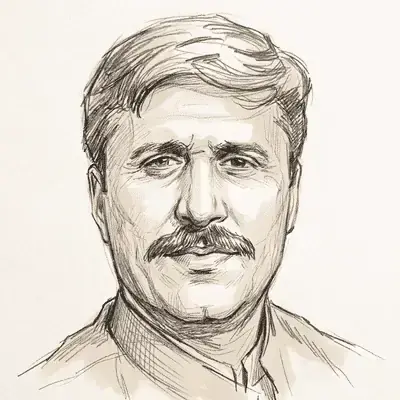
In a statement issued on Sunday, Pakistan Textile Exporters Association (PTEA) Patron-in-Chief Khurram Mukhtar said the country’s export sector was facing mounting pressure from multiple directions, threatening its competitiveness and share in international markets.
He said inflation in Western markets had weakened demand from international buyers, while sea freight charges had increased by 1.5 to 2.5 times, squeezing exporters’ already thin profit margins.
Rising input and logistics costs were further undermining the competitiveness of Pakistani products, he added.
“The decline in export trade volume is unprecedented,” Mr Mukhtar said, warning that only financially strong exporters would survive the prevailing conditions. He cautioned that regaining lost market share would be extremely difficult.
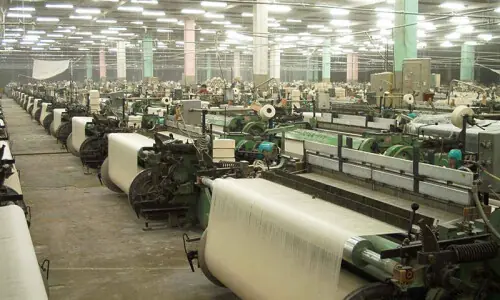
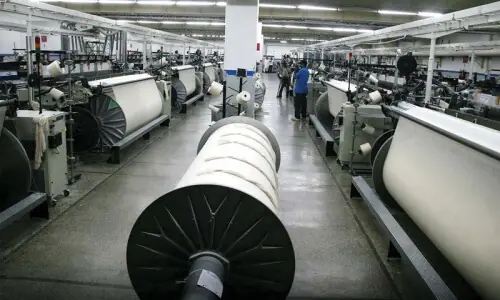
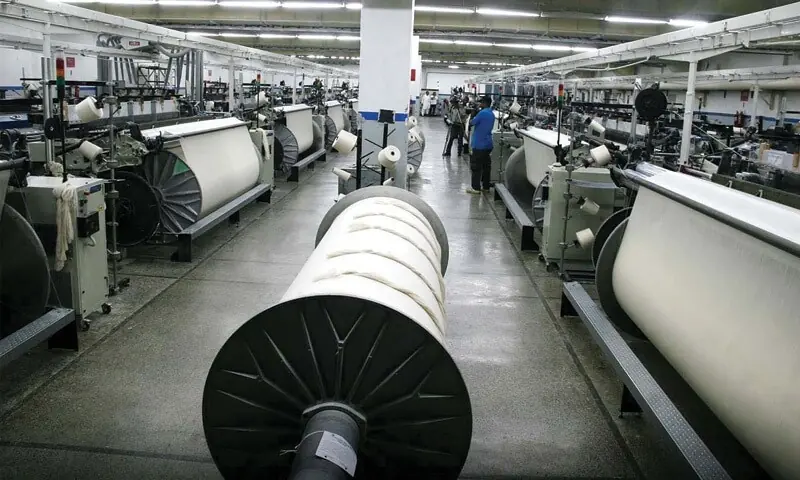
He said declining exports were affecting the entire textile value chain, including ginning, spinning, weaving, processing and knitting. The situation had been compounded by weak domestic demand amid high inflation, putting several segments of the industry under severe financial pressure.
Mr Mukhtar urged the government to provide temporary support through the Duty Drawback of Local Taxes and Levies (DLTL) scheme at a rate of 6pc to 8pc to help exporters retain their international market share. He also demanded immediate clearance of outstanding refunds under various heads to ease the liquidity crisis across the textile supply chain and called for the removal of cross-subsidies embedded in industrial energy tariffs to reduce production costs.
Highlighting anomalies in the Export Finance Scheme (EFS), he said the government had announced a fixed financing rate of 4.5pc in the FY27 Finance Bill, but the decision had yet to be implemented.
According to him, banks were charging exporters a minimum of 5.5pc, while some were charging as much as 8.5pc, contrary to the announced rate.
Mr Mukhtar claimed that around Rs200 billion in financing had been extended under the EFS to yarn exporters despite yarn being on the scheme’s negative list. He also questioned the provision of financing to sugar exporters, describing sugar as a highly regulated sector.
In contrast, he said, eligible textile exporters whose export performance exceeded the State Bank of Pakistan’s mandatory requirement by a substantial margin were being denied financing allocations.
He said some exporters were achieving five to six times the required export performance against the mandatory threshold of two times, yet were unable to obtain financing.
Such allocations, he argued, discouraged value addition and penalised exporters contributing significantly to the country’s foreign exchange earnings.
Mr Mukhtar welcomed the increase in EFS financing allocations for small and medium enterprises (SMEs) but questioned whether the additional funds could be effectively utilised.
He said an additional Rs300bn allocation for SMEs would require export performance of Rs600bn, which, according to him, did not currently exist. He pointed out that the Rs100bn allocation for SMEs in the previous fiscal year had lapsed without being utilised. He urged the government to review the distribution of EFS financing according to the export contribution of each segment, arguing that the top 100 exporters accounted for up to 60pc of total export volume and should receive proportionate financing.
To strengthen the textile supply chain, Mr Mukhtar proposed a targeted financing package of Rs140bn for modernisation and technological upgrading of four major segments.
The proposed package includes Rs20bn each for ginning and sizing, and Rs50bn each for weaving and processing.
He said these sectors required specially designed short- and long-term financing facilities for balancing, modernisation and replacement of machinery, improving productivity and introducing automation and sustainable production practices.
Mr Mukhtar said the federal government and the State Bank should jointly develop the proposed financing programme in consultation with industry representatives.
He also called for a 10-year strategic plan for textile exports, focusing on Pakistan’s existing industrial expertise, exportable surplus and structural reforms needed to improve international competitiveness.
“Historically, we have been reactive. The current situation demands a proactive approach,” he said, warning that timely intervention would cost considerably less than efforts to recover lost export markets.
Published in Dawn, October 12th, 2026