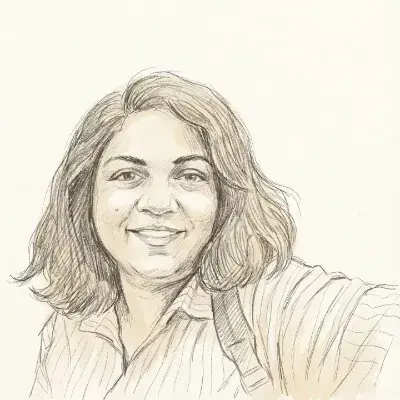
KARACHI: Rights activist Mahnaz Rahman’s memoirs Love, Life and the Left, if the moderator at its launch, journalist Wusatullah Khan, is to be believed, “should serve as the script of a hit serial running for two seasons at least.”
He also said that the book is about the Generation Z of the late 1970s. “The 221 pages have all the ingredients of a thriller. It is a complete rollercoaster ride with its ups and downs and with so many air pockets after takeoff, you better tighten your seatbelts, better wear them on your head,” he added.
The launch of the book at Arts Council’s Josh Malihabadi Library on Saturday saw a vacant seat next to the author, to, as per the rules set by the moderator, be occupied by those who have read the book to speak about it for a few minutes.
The first one to take the seat was Mahnaz’s own daughter Fayfay who spoke about how it is to be brought up by two journalist parents who were also activists. She said that Mahnaz by no means was a traditional mother. “She was a writer and a journalist carrying a storm within her,” she said.
Mahnaz Rahman’s memoirs focus on role of women in Leftist movement
Writer Dr Naazir Mahmood said that the beauty of the book is that it doesn’t point fingers at anyone. “It tells the story like it is with a flowing narrative. Mahnaz shares her experiences and talks about the people she encountered without bias but she is an honest writer who doesn’t mince words when writing the truth,” he said.
Academic, journalist and human rights activist Dr Tauseef Ahmed Khan said that Mahnaz has written about everything so openly that when he reviewed it for a publication, his editor had to censor many lines.
Mahnaz’s best friend Shahnaz Ahad, who is also a journalist like her, said that basically the book tells the story of four exceptional women: Mahnaz’s grandmother, mother, aunt and herself, who all fought many of their own individual battles to get somewhere in their lives. “There is also a fifth woman here, Mahnaz’s daughter Fayfay, who is going to carry the torch forward,” she said. “It is a memoir with many shades and lessons,” she added.
Dr Syed Jaffar Ahmed said that he already knew Mahnaz as a feminist and political activist. “But after going through her book, I realise that she is a great human being, too, who lived through Pakistan’s ups and downs and wrote a book about the country’s history, which reads like a novel,” he said, while pointing out that the book was actually written in Urdu but its English translation by Mahnaz’s son Rameez came out first. “The Urdu manuscript is with me and will also be published,” he said.
Senior journalist Ghazi Salahuddin said that such books are needed in our country to promote the habit of reading. “Mahnaz’s style of writing, which is anecdotal, involves the reader. It provides various images of a society going through different phases,” he said.
Women’s rights activist Nuzhat Shirin said that she could not put the book down and read it in one go.
Senior journalist and anchor Mujahid Barelvi said that while reading the book he was reminded of his stay with Mahnaz and her family in China where they relished the daal and chawal [lentils and rice] cooked by her for days.
Senior journalist and activist Sohail Sangi said that he was a friend of Mahnaz’s husband Ahfazur Rahman but he worked with Mahnaz at the Human Rights Commission of Pakistan. “She has penned a remarkable book, which the youth must read to be able to appreciate the free atmosphere they enjoy today because it was not always like that,” he said.
Writer and author of many books, Talat Rahim said that the book is a “riches to rags story”, instead of the other way round. “From a comfortable life, she opted to marry for love and move to a place that was even devoid of the basic necessities of life,” she said.
Dr Riaz Shaikh, dean of the Faculty of Social Sciences at Szabist, said that there are not many books about the Left coming out these days. “And Mahnaz’s book is not just about the Leftist movement but the role of women in it,” he pointed out.
Former senator Rukhsana Zubairi, senior journalist Abid Ali Syed, writer Gohar Taj and Arts Council President Ahmed Shah also spoke on the occasion.
Published in Dawn, October 11th, 2026