0
0

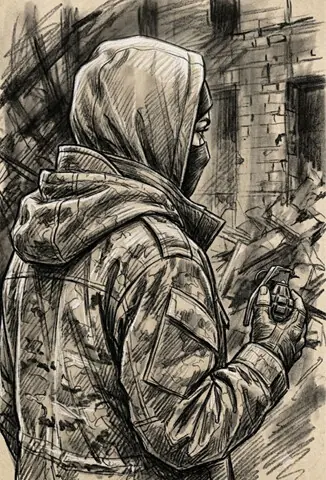
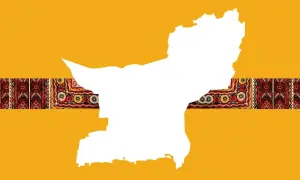
IN the rugged and resource-rich expanse of Balochistan, a troubling new chapter has unfolded in the long-standing insurgency waged by terrorists. What was once a campaign marked by sporadic guerrilla strikes has evolved into a calculated exploitation of women, drawn or compelled into the ranks of terrorism as instruments of violence.
This shift not only reveals the despe-ration of these separatist elements, but also underscores the profound human cost borne by the people of the province where families are torn apart and communities live under the shadow of fear.
The terrorists have increasingly turned to radicalisation of women. This tactic marks a grim departure, transforming women — traditionally the pillars of Baloch society — into weapons in a war that promises nothing but destruction. Pakistani authorities have documented multiple such cases, many involving young women who were either radicalised or, as confessions later revealed, coerced through manipulation, blackmail or false promises of empowerment.
One of the earliest and most notable instances came in April 2022, when a 30-year-old science teacher and mother of two detonated explosives at the Confucius Institute within Karachi University. Subsequent cases followed a pretty similar pattern. By early 2026, the trend seems to have accelerated dramatically.
Many such women, when captured before completing their missions, offered confessions that paint a darker picture of exploitation rather than voluntary zeal. Officials have noted that while some may embrace the ideology, a significant number appear manipulated, with their personal vulnerabilities — economic hardship, family pressures or social grievances — having been weaponised against them and, ultimately, against the state.
The developed Western world, including the European Union and several allied nations, has firmly endorsed Pakistan’s undeniable right to employ all lawful and proportionate measures to counter sponsored terrorism. Statements from global forums have condemned the attacks unequivocally, stressing the need to dismantle networks that export violence and instability. There is broad recognition that such acts threaten not only Pakistan’s security, but also regional peace.
Pakistani authorities have long pointed to India and certain like-minded actors as playing a shadowy role, providing support from behind the scenes to fuel discontent. New Delhi has consistently rejected these claims, but the pattern of accusations, bolstered by intelligence reports and past incidents, continues to strain relations and complicate efforts to isolate the true sponsors of terror.
The human toll remains the most poig-nant aspect of this conflict. Balochistan’s women, whether victims of coercion or willing participants, embody a tragedy that extends far beyond the battlefield.
Captured operatives often express regret once removed from militant influence, highlighting how terrorism preys upon the vulnerable. Pakistani security forces, in response, have intensified operations to neutralise threats while emphasising rehabilitation for those misled.
This insidious strategy serves as a stark reminder of the lengths to which insurgent groups will go to perpetuate chaos. The people of Balochistan deserve peace and prosperity, not to be sacrificed in a war that exploits their daughters and sisters.
Pakistan’s resolve must remain stead-fast in rooting out these elements while addressing genuine local grievances through development and broad dialogue.
Muhammad Mohsin Iqbal
Islamabad
Published in Dawn, July 13th, 2026