0
0

MOSCOW/NEW YORK: Authorities in Russia’s Novosibirsk region have urged residents to work remotely and limit travel by car, amid a deepening fuel crisis triggered by Ukrainian strikes on oil refineries.
The region, home to almost three million people, is one of the largest in Siberia by population and a major economic and manufacturing hub.
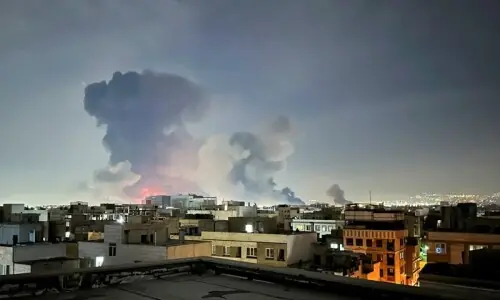
The announcement comes after Ukraine struck an oil refinery in the neighbouring region of Omsk earlier this week, knocking out one of Russia’s largest oil processing facilities by capacity.
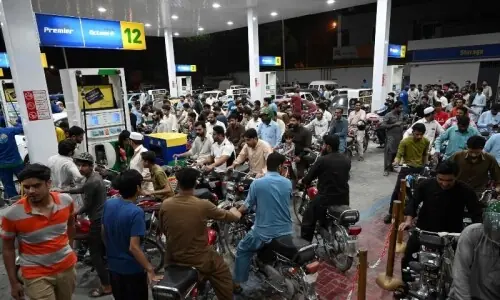
More than 90 percent of Russian regions have experienced fuel shortages since June, some of which have introduced rationing at petrol stations and bans on filling jerry cans, according to local media reports and officials.
Diesel export ban deepens global supply crunch
In a decree dated published by Russian media on Friday, Novosibirsk’s regional government recommended employers “switch staff to remote working and reduce fuel consumption”.
It also recommended “residents limit travel by private vehicle within the Novosibirsk region and outside its borders until the state of high alert is lifted”. Authorities in the neighbouring Tomsk region have also encouraged remote work, telling government officials to reconsider business trips and “hold meetings online”, while the city of Irkutsk further east has also recommended employees work from home.
Ukraine has targeted Russian oil and gas infrastructure throughout the four-and-a-half year war, strikes that it says are fair retaliation for Russian strikes on its own civilians.
Russian President Vladimir Putin has acknowledged the fuel shortages but said they are “not critical” and accused Kyiv of trying to sow division in Russian society.
A fire at two fuel depots in Russia’s southern Rostov region, caused by a drone attack on Friday, has been extinguished, Yuri Slyusar, governor of the region, wrote on Telegram on Saturday.
Global supply crunch
Russia’s decision to ban diesel exports this week has roiled global energy markets, exacerbating shortages of the industrial fuel and sending prices soaring, even in countries that no longer buy the fuel from Moscow.
Diesel accounts for the largest share of global oil consumption, and soaring prices can ripple through the global economy given its wide range of uses, from industrial machinery and farm equipment to heavy transport and electricity generation.
Supply has remained tight for years due to strong post-pandemic demand and output reductions that accompanied refinery closures in the West. The Iran war has further strained the market.
Russia is the world’s second-largest diesel exporter after the US, and refinery outages there can significantly affect global supplies of fuels. Its exports were already slowing prior to the ban due to domestic shortages left by Ukrainian drone attacks.
Diesel and gasoil loadings from Russia were just 234,000 barrels per day from July 1 to 10, according to Kpler, down from 400,000 bpd in June and the 2025 average around 817,000 bpd.
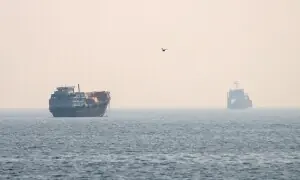
Adding to pressure on diesel supply was a fresh wave of US attacks on Iran just hours after Russia announced the export ban on Wednesday, reviving concerns around vessel movements through the Strait of Hormuz and the toll it has taken on Middle Eastern exports.
US government data, also released on Wednesday, showed an inventory draw of more than 4.5 million barrels of diesel last week to 97.8 million as of July 3, or 6pc below the five-year average.
“Headlines from the Persian Gulf combined with a Russian cessation of exports and a stunning (US Energy Information Administration) report to flush distillate sellers out of the market,” Gulf Oil adviser Tom Kloza wrote to clients on Thursday.
Published in Dawn, July 12th, 2026