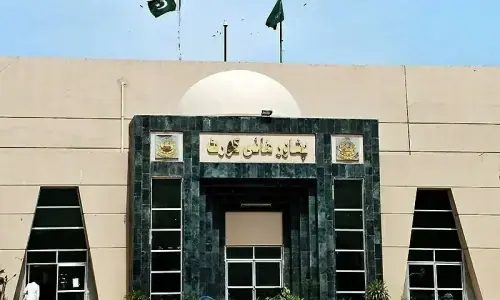
PESHAWAR: Pashto Academy at University of Peshawar has earned a significant academic triumph as its flagship scholarly, literary and research journal “Pashto” secured approval from Pakistan’s Higher Education Commission (HEC) in the prestigious ‘Y’ category for 2026 and 2027.
This recognition underscores the institution’s enduring commitment to advancing Pashto language, literature, history, art and culture through rigorous scholarly pursuit, even as it grapples with a deepening operational crisis.
Prof Farkhanda Hayat, the academy’s dynamic director, has been widely lauded for steering this success through her visionary leadership and steadfast dedication. Speaking to this scribe, Ms Hayat said, “This HEC approval is a proud moment for all of us, achieved through collective hard work despite limited resources.”
Yet, in a candid disclosure, she painted a stark picture of institutional strain. The academy’s workforce has plummeted from 35 employees to a mere five or six due to successive retirements, severely crippling daily operations.
Its vast library, divided into three distinct sections, is now managed single-handedly by one librarian, compelling the closure of entire wings whenever another section opens.
Support staff has shrunk to a solitary peon, making it arduous to safeguard extensive manuscript collections or host the steady influx of international scholars from Canada, Bangladesh and Germany.
Ms Hayat firmly refuted rumours of missing old manuscripts.
“These historical treasures are intact and safe. They are not just our property but a cherished collective heritage of the entire Pakhtun nation,” she told this scribe.
She lamented the acute shortage of ministerial staff including the caretaker of the Pakhtun Cultural Museum, gardener and sweeper, which further undermines routine maintenance and cultural stewardship.
Despite these formidable hurdles, the academy’s higher education wing operates at full capacity under HEC guidelines, with its three senior faculty members remain overstretched while supervising a large number of active scholars.
Published in Dawn, July 10th, 2026