Where do we go from here? FIFA’s showpiece loses its moral high ground


 0
0

“WHERE do we go from here?” England manager Thomas Tuchel asked when queried about his views on the suspension of United States striker Folarin Balogun’s red card ahead of the co-hosts’ round-of-16 clash against Belgium.
Tuchel’s question was directed at one controversial decision, but it captures the broader concerns that have unexpectedly, shockingly and, most importantly, dangerously emerged since the 2026 FIFA World Cup kicked off in the United States last month.
This edition has been memorable for several positive reasons. The expansion to a 48-team tournament has given smaller nations an unprecedented opportunity to showcase themselves on football’s biggest stage. Despite record ticket prices, it has already become the highest-attended World Cup in history. It has also produced thrilling contests and memorable upsets by so-called minnows.
Yet this same tournament has also produced some of the darkest moments in the competition’s history — episodes that have not only left a bitter aftertaste but also set dangerous precedents, raising troubling questions over fairness, integrity and political influence.
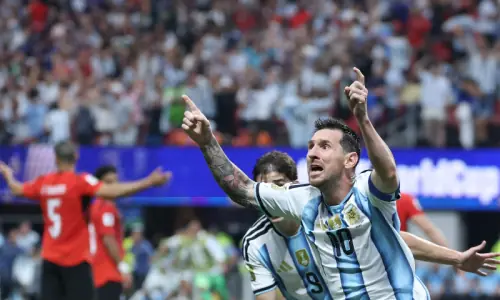
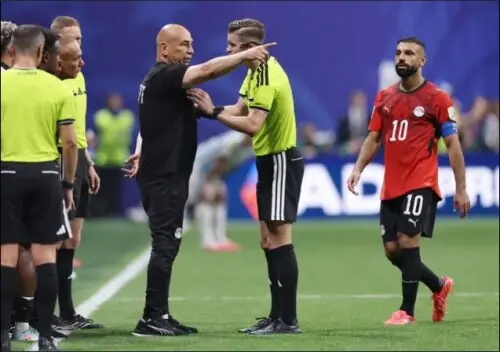
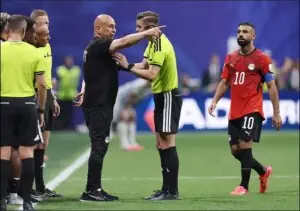
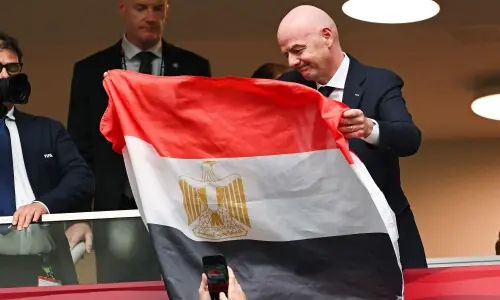
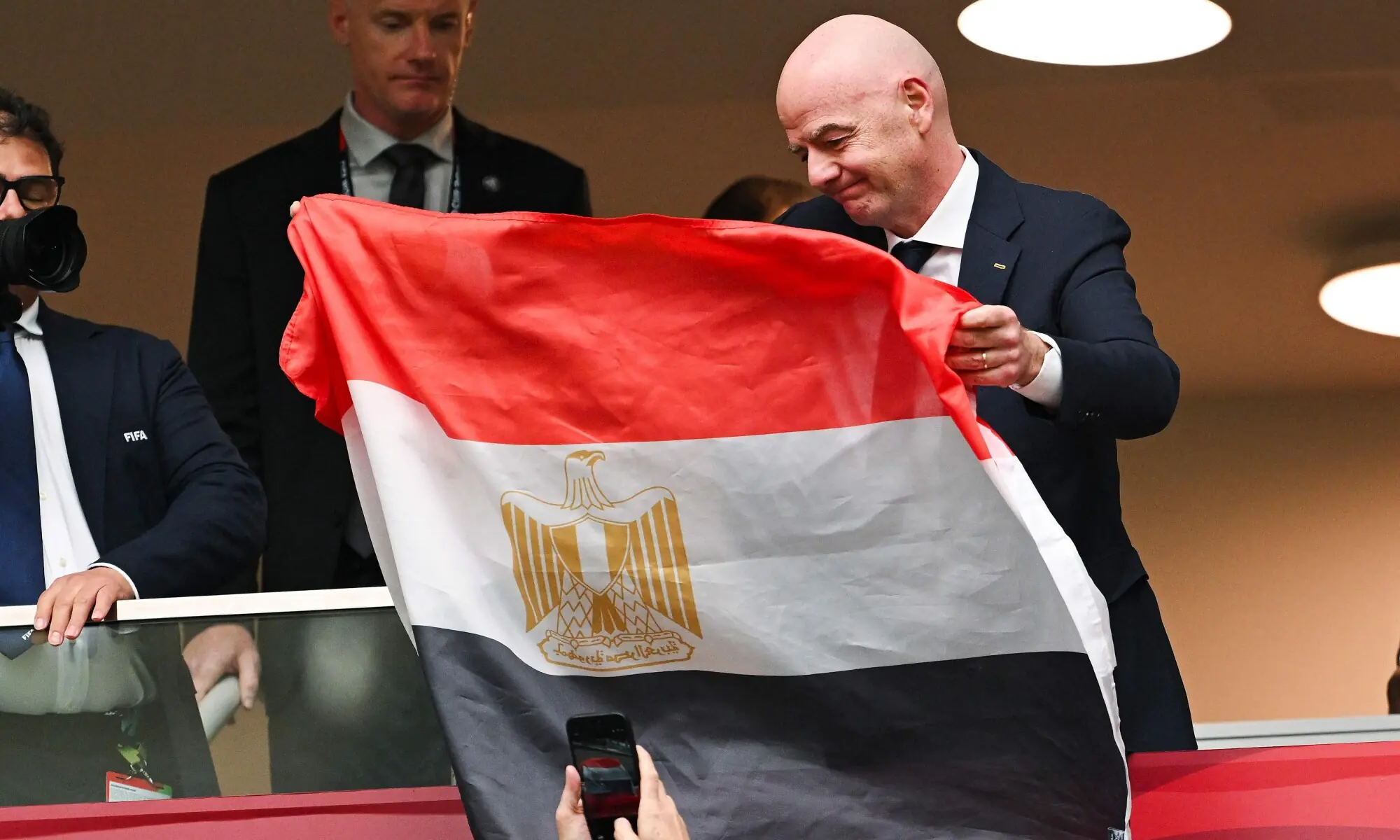
Those concerns came sharply into focus on Tuesday night when Argentina staged a dramatic comeback to beat Egypt 3-2 in their round-of-16 encounter.
Egypt head coach Hossam Hassan said his side had been “cheated” and had “suffered injustice”, referring to refereeing decisions that were criticised by fans, pundits and former players across the world. Mostafa Ziko, whose involvement in an Egyptian move was ruled out before what could have been a decisive goal for the African side, said “the referee was unfair”.
Hassan went a step further, alleging that FIFA “wanted Messi” to remain in the tournament — a narrative that has since gained traction in global football discourse.
Football has long been celebrated as the world’s game because of its inclusivity and universality. But what former FIFA president Sepp Blatter recently described as “power politics” now appears to be casting an increasingly long shadow over those values.
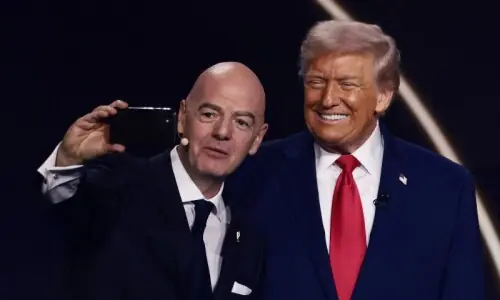
FIFA’s U-turn in allowing Balogun to play against Belgium by suspending his automatic one-match ban — a routine sanction under normal circumstances — might have provoked less outrage had it not followed United States President Donald Trump’s request to FIFA president Gianni Infantino to “review” the decision.
Infantino publicly defended FIFA’s position only after Trump disclosed the request during an appearance in the Oval Office. Hours later, FIFA’s disciplinary committee issued its explanation, a response that appeared aimed as much at critics as at UEFA, whose officials reportedly viewed the decision as one that had “crossed a red line”.
Trump’s influence over the tournament had been evident even before the opening match.
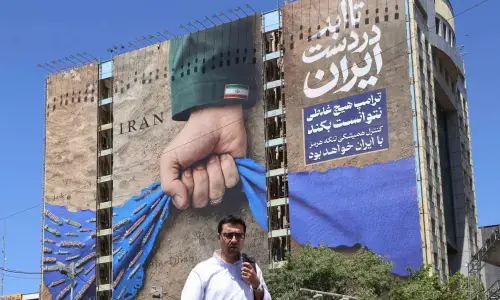
The US president said it was not “appropriate” for Iran’s national team to be based in the United States because of concerns over their “life and safety” amid tensions in West Asia.
Iran’s team base was subsequently shifted from Tucson, Arizona, to the Mexican border city of Tijuana, forcing the squad to commute repeatedly to and from Los Angeles and Seattle for their group-stage fixtures.
Several Iranian support staff were denied visas. One player had his visa expire after the opening match before eventually securing a renewal. The team’s constant travel deprived it of the recovery time and preparation routinely available to every other participant.
The controversy followed the denial of entry to Sudanese referee Omar Artan, regarded as one of Africa’s leading match officials.
For Iran captain Mahdi Taremi, it amounted to “a disaster World Cup” as he criticised FIFA for failing to exercise its authority as tournament organiser and world football’s governing body.
“I mean, FIFA, they have to solve every problem, but unfortunately they could not solve it since the beginning,” he said.
Throughout Iran’s campaign, FIFA remained largely silent.
The succession of controversies has further damaged Infantino’s standing within world football, reviving accusations of political influence, selective enforcement of regulations and an increasing concentration of power within FIFA.
To ignore the achievements of Infantino’s presidency, however, would present only part of the picture.
Since taking office in 2016 in the wake of the corruption scandals that engulfed the Blatter era, Infantino has overseen a remarkable financial recovery.
FIFA’s revenues have more than doubled through expanded commercial partnerships and larger competitions, allowing significantly greater investment in member associations through programmes such as FIFA Forward, which has funded grassroots development, infrastructure and youth football, particularly in smaller nations.
He also championed the expansion of the World Cup to 48 teams, providing countries from traditionally underrepresented confederations with access to football’s biggest stage.
Under his leadership, the women’s game has received greater investment through expanded competitions, increased prize money and enhanced global visibility.
Those accomplishments are substantial. Yet they now stand in increasingly stark contrast to the controversies that threaten to define his tenure.
What began as a presidency promising reform and renewal is increasingly associated with allegations of political interference, inconsistent application of the rules and governance that appears to favour the influential over the impartial.
From the logistical hardships endured by Iran to the suspension of Balogun’s red-card ban following reported high-level intervention, this World Cup has exposed uncomfortable questions about FIFA’s independence, credibility and commitment to its own principles of political neutrality.
As attendance records continue to fall and underdogs script unforgettable stories on the pitch, the events off it risk undermining the tournament’s credibility.
Football has always prided itself on transcending politics and borders. Increasingly, however, it appears to be reflecting them.
The question Tuchel posed extends well beyond a single disciplinary ruling.
As the World Cup approaches its conclusion, the game is confronted not merely with where football goes from here, but whether its governing body still possesses the moral authority to lead it.
Published in Dawn, July 9th, 2026