No relief for citizens as transport fares remain high despite lower fuel prices in Karachi
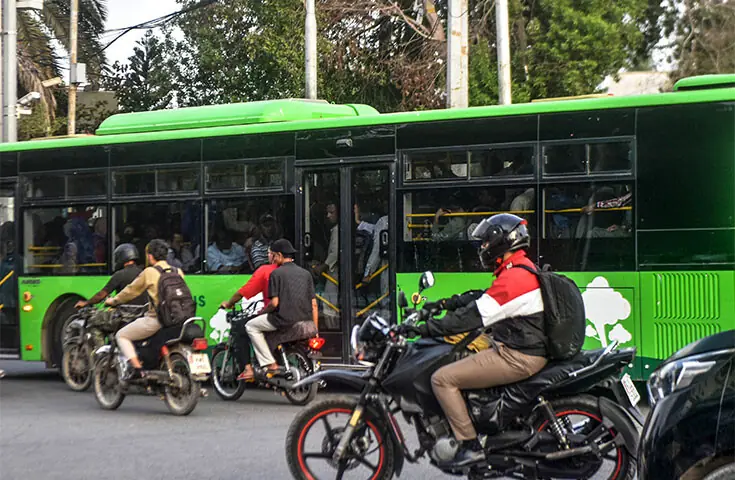
• Buses, private transporters, ride-hailing apps still charging rates set during Iran-US war
• Commuters urge Sindh govt to take action and bring transport fares to pre-conflict level
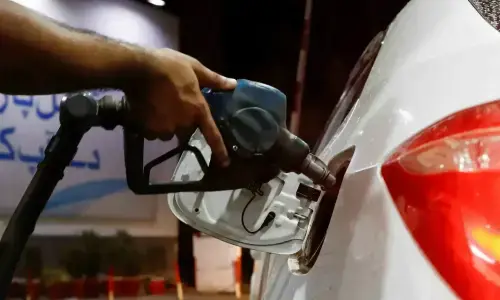
KARACHI: Despite a cumulative reduction of around Rs100 per litre in petrol and diesel prices in recent weeks, commuters in Karachi say private transport operators and ride-hailing services have yet to lower fares, prompting calls for government intervention to ensure that the benefit of lower fuel prices is passed on to passengers.
Speaking with Dawn, many passengers claim that transporters increased intra-city fares by around 40 per cent after the government sharply raised petroleum prices amid heightened regional tensions. At that time, the transport operators argued that it had become financially “impossible” to continue operating at the pre-conflict fare structure.
However, the commuters add, the situation has since changed considerably. Successive cuts in fuel prices have brought the rates of both petrol and diesel down by around Rs100 per litre from their peak levels during the US-Iran war.
They argue that although prices of diesel and petrol had temporarily climbed to over Rs400 per litre, subsequent reductions have brought them back to around Rs300 per litre. Since fuel prices stood at around Rs260 to Rs270 per litre before the conflict, they contend that the net increase is now only about Rs30 to Rs40 per litre, making the continuation of higher transport fares difficult to justify.
According to passengers, when petrol and diesel prices surged from around Rs250-Rs270 per litre to nearly Rs400 per litre, private buses and coaches increased minimum fares by Rs10 to Rs20 and maximum fares by Rs30 to Rs50.
They also claim that ride-hailing platforms raised fares for short motorcycle trips by around Rs100, long motorcycle trips by about Rs200, and car rides by Rs200 to Rs500.
The commuters maintain that if transport operators were quick to increase fares when fuel prices rose, they should reduce them with the same urgency as well now because the fuel prices have fallen substantially.
Describing the continued charging of higher fares as unfair and unjustified, they urge the government to intervene and ensure that commuters receive the relief they believe they deserve.
Abusive behaviour and overcharging
Speaking to Dawn, a young employee at a clothing shop in Jama Cloth Market said that before the regional conflict, the fare on a private bus from Orangi to Jama Bus Stop was Rs60, but later it increased to Rs90. He said that some conductors now charge as much as Rs100 for the same journey.
“Now that diesel prices have fallen by around Rs100 per litre, why have transport fares not been reduced? Instead of remaining at Rs90, the fare should have come down to at least Rs70,” he said.
Passengers in Korangi district also complained that private bus operators and other transport providers were continuing to charge what they described as arbitrary fares.
One commuter said that the normal fare from Dawood Chowrangi to Qayyumabad was around Rs60 to Rs70, but a bus conductor charged him Rs100 for a single ticket.
“When I asked for the remaining amount, the conductor insisted that the fare was Rs100. When I protested, he abused me despite the fact that I was travelling with my family,” the commuter said.
A family travelling from Power House Chowrangi to Garden East said that before the war, they usually paid Rs550 to Rs600 for a one-way ride booked through a ride-hailing app. They claimed the fare for the same journey now ranges between Rs900 and Rs1,000.
Another commuter travelling from Kaneez Fatima Society to Cantt Railway Station said that before the war, a one-way motorcycle ride booked through a ride-hailing app cost around Rs320 to Rs350, whereas now, he said, it was difficult to find a rider willing to accept the trip for less than Rs500.
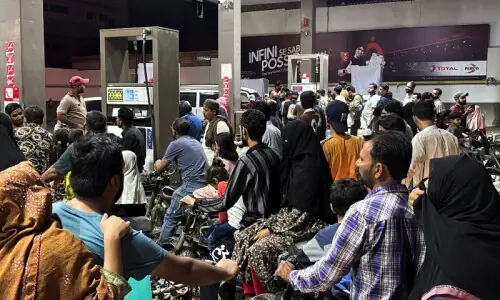
Several other commuters waiting for buses and ride-hailing services at Numaish Bus Stop echoed similar concerns, saying that despite the substantial reduction in petroleum prices, transport fares had not been revised downward, placing an additional financial burden on households already struggling with the rising cost of living.
They urged the Sindh government to investigate complaints of overcharging by private transport operators and ride-hailing services, and take action against violators.
Published in Dawn, July 7th, 2026