Pakistan generates a large amount of solid waste, with both commercial and municipal entities contributing heavily. According to an analyst, the country generates roughly 87,000 tonnes of municipal solid waste daily, making waste-to-energy a critical frontier to reduce reliance on landfills and diversify the national energy mix.
Key projects, it is said, include planned facilities in Karachi and Lahore to process thousands of tonnes of daily garbage to supply tens of megawatts of electricity to the grid.
K-Electric and Engro Energy have signed a memorandum of understanding to develop a 50-MW plant for the processing of 3,000 tonnes of municipal solid waste. Karachi generates, according to the analyst, over 12,000 tonnes of daily garbage, making it the focus point for several waste-to-energy initiatives. Khan Renewable Energy also plans a facility to process 1,500 tonnes of waste per day and generate 40-50MW of electricity.
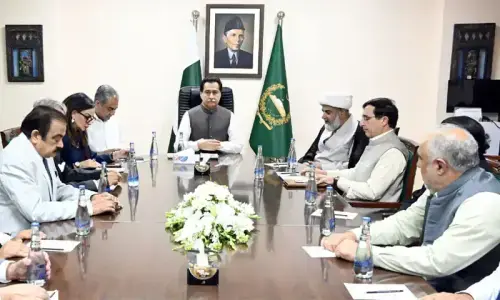
To facilitate investment, Prime Minister Shahbaz Sharif has set up a task force to devise the first national policy on waste-to-energy projects. The task force will promote private sector participation and establish a clear strategy, institutional framework and a roadmap to advance waste-to-energy projects, said a statement by the prime minister’s office on May 14.
Pakistan’s major cities hold the potential to generate thousands of megawatts of electricity if solid waste is properly processed
The task force will recommend measures to improve coordination among stakeholders and facilitate the implementation of waste-to-energy initiatives in the country. It includes representatives of the private sector, relevant federal ministers and secretaries of federal governments, and secretaries of interprovincial coordination and local governments, as well as climate change and energy departments from all four provinces, Gilgit-Baltistan, and Azad Jammu and Kashmir.
Lahore produces roughly 6,000-7,000 tonnes of solid waste daily. The Punjab Power Development Board plant, backed by a daily waste supply of 3,000 tonnes, is intended to supply electricity to bulk consumers like the Orange Line Metro train. The Punjab government and the Lahore Waste Management company will manage the plant.
The Lahore Xingzhong Steam Project, expected to generate 40-50MW of bio-power, is in the early stage of construction.
The government says the task force will examine international best practices related to waste-to-energy generation and identify legal, regulatory, financial, and operational barriers hindering the sector’s growth in the country.
Waste-to-energy systems (in Asia and Europe) and their operational, technical, and financial frameworks are no longer experimental concepts requiring theoretical validation, say analysts at Business Reorder. Pakistan’s challenge, they argue, has always been implementation capacity and political change.
“It reduces environmental strain; eases pressure on landfills and contributes to domestic energy generation at a time when every imported fuel shipment weighs heavily on the external account. There are practical considerations that require immediate attention. Waste segregation systems remain weak, the municipal coordination system remains weak and local governments often lack both technical and financial capacity,” they write.
Most of the municipal waste is disposed of through burning, dumping, or burying in empty areas, which social activists and analysts point out poses a risk to the overall health and well-being of the population.
The system is stated by experts to be highly localised and struggles with poor waste segregation, inadequate dumping and relies on the municipal tractor-trolley collection rather than sustaining a tech-driven circular economy model.
To meet the shortage of expertise for planning operations and monitoring of the sector, the technocrats stress that the municipal staff from the waste department need to be provided with opportunities and support to increase their knowledge, their academic pursuits and initiatives that foster education in the sector.
Pakistan’s major cities hold the potential to generate thousands of megawatts of electricity if solid waste is properly processed. However, projects have historically faced delays due to complex tariff negotiations, waste supply logistics and regulatory approvals.
China offers an example which Pakistan can possibly consider for adapting to its specific conditions in the sector. One of China’s biggest megacities is building a giant waste-to-energy plant. Analysts say China is leading the way with a massive waste-to-energy plant set to open next year. It involves non-recyclable household and commercial trash into electricity, heat or fuel while simultaneously generating power and reducing landfill volume.
Converting energy from solid waste utilises several established and emerging technologies, each suited to different types of waste.
The Southeast Asia waste-to-energy generation market size is estimated at $4.22 billion in 2025 and is expected to reach $7.7bn by 2030. A recent World Bank report estimates waste-to-energy generation will double by 2050 in South Asia.
Experts emphasise that Pakistan needs to establish a financial system that enables cost-covering operations for waste conversion plants. As these plans require sources to recover full costs, an additional financial mechanism must be put in place.
Published in Dawn, The Business and Finance Weekly, May 25th, 2026