UN chief warns Hormuz closure ‘strangling’ global economy
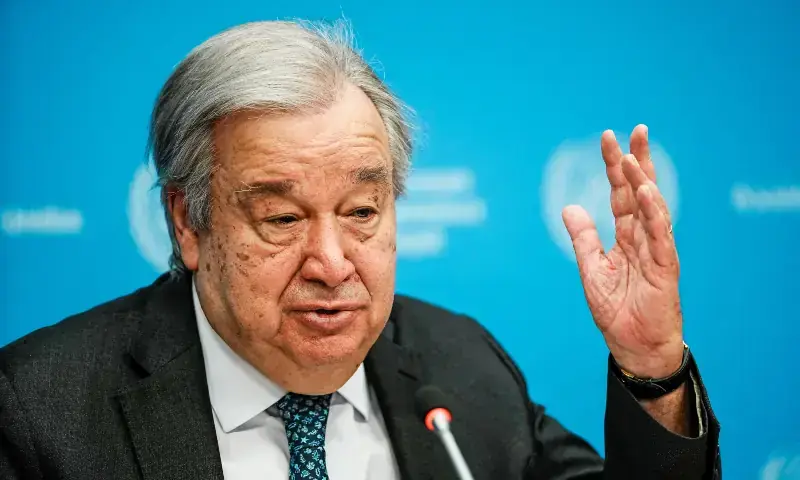


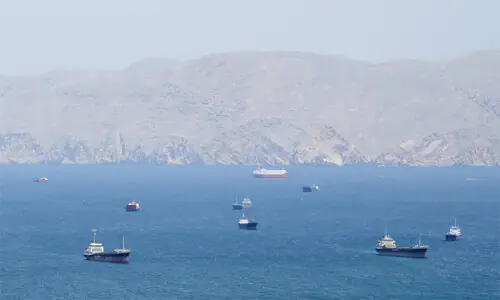
UNITED NATIONS: The escalating crisis in the Strait of Hormuz could push tens of millions into poverty, trigger a surge in global hunger and even tip the world toward recession, United Nations Secretary General Antonio Guterres warned on Thursday.
The closure of the vital waterway is “strangling the global economy,” the secretary general said in remarks to the press.
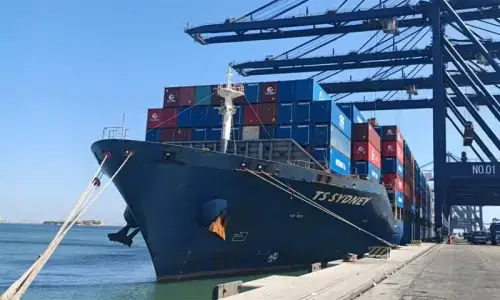
Guterres decried the restrictions on free passage through the strait, a crucial chokepoint, which he said is impeding the delivery of oil, gas, fertiliser and other critical commodities.
Even if restrictions on shipping and trade were lifted immediately, “supply chains will take months to recover, prolonging lower economic output and higher prices,” he said.
Setting out three possible trajectories for a world still reeling from the shocks of a pandemic and the war in Ukraine, Guterres said the best-case scenario would see global growth fall from 3.4 per cent to 3.1pc, with inflation rising to 4.4pc and trade slowing sharply.
If disruptions arising from Iranian attacks and threats and the US blockade of Iranian ports continue through midyear, the consequences would deepen significantly, he added.
Under that scenario, 32 million people would be pushed into poverty, 45 million more would face extreme hunger as fertiliser runs low and crop yields fall, and “hard-won development gains” could be reversed overnight.
In a worst-case scenario, where severe disruptions persist through the end of the year, “we confront the spectre of a global recession with dramatic impacts on people, on the economy, and on political and social stability,” he warned.
“These consequences are not cumulative. They are exponential,” Guterres stressed, cautioning that the longer the vital artery is choked, the harder it will be to reverse the damage.
Guterres highlighted diplomatic efforts underway to break the deadlock in the US-Iran talks.
“My message to all parties is clear: Navigational rights and freedoms must be restored immediately,” Guterres said. “Open the Strait. Let all ships pass. Let the global economy breathe again.”
Published in Dawn, May 1st, 2026