Govt apologises for excessive loadshedding, blames it on reduced hydropower availability
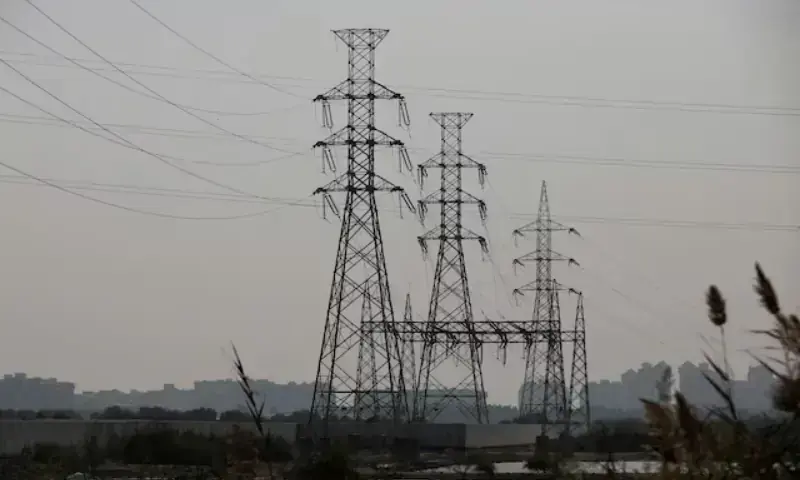
ISLAMABAD: The government on Wednesday apologised to power consumers for higher than promised “load management” arising out of lower water availability for power generation.
In a statement, the Power Division said it was “apologising for the additional load management necessitated by reduced hydropower availability”.
A spokesman for the Power Division also urged consumers to conserve electricity, particularly during nighttime hours, and to adopt energy-saving practices.
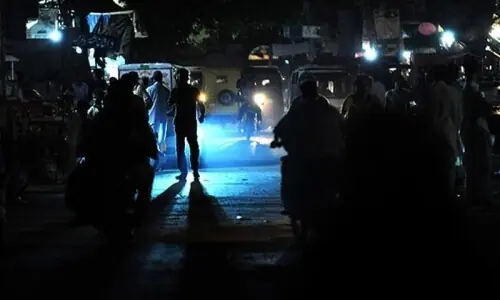
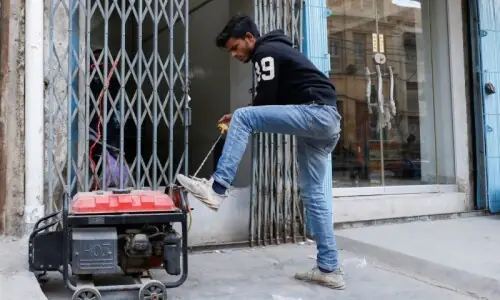
The statement followed complaints from various parts of the country about excessive loadshedding on Tuesday, instead of only 2.25 hours promised a day earlier in an effort to avoid an increase in electricity prices.
The power ministry reported a temporary increase in load management and attributed it to a sharp decline in hydropower generation during peak hours last night, which it said strained the electricity supply and widened the demand-supply gap.
“Hydropower production dropped by 1,991 megawatts during the night, contributing to a total shortfall of around 4,500MW at peak demand,” the spokesman said, adding that the overall electricity demand during peak hours was recorded at approximately 18,000MW.
The spokesperson said that the reduction in hydropower generation was due to decreased water releases from the country’s dams.
Water discharge to provinces is currently being carried out by Indus River System Authority (Irsa) based on demand, which is considerably lower compared to last year. Reduced water requirements, owing to recent rainfall and the harvesting season, have led to lower outflows from reservoirs. As a result, electricity distribution companies implemented slightly higher load management than previously scheduled.
However, the Power Division clarified that load management was currently limited to nighttime hours, and there was no shortfall during the day.
However, many distribution companies, particularly Islamabad Electric Supply Company (IESCO), have officially announced three hours of loadshedding in the morning.
The Power Division spokesperson expressed optimism that the situation would improve in the coming days as the water released from dams was expected to increase, boosting hydropower generation.
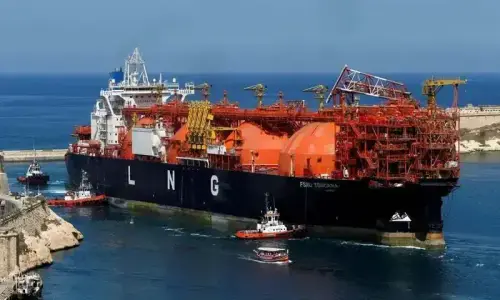
“Improved availability of regasified liquefied natural gas (RLNG) is also expected to ease the power supply situation,” the spokesperson said, without elaborating on the sources of RLNG in view of tight supplies in the spot market at unaffordable rates amid the closure of Qatar’s liquefied natural gas plants, currently under force majeure due to the Middle East war.