Frequency of power, gas outages surges across Punjab
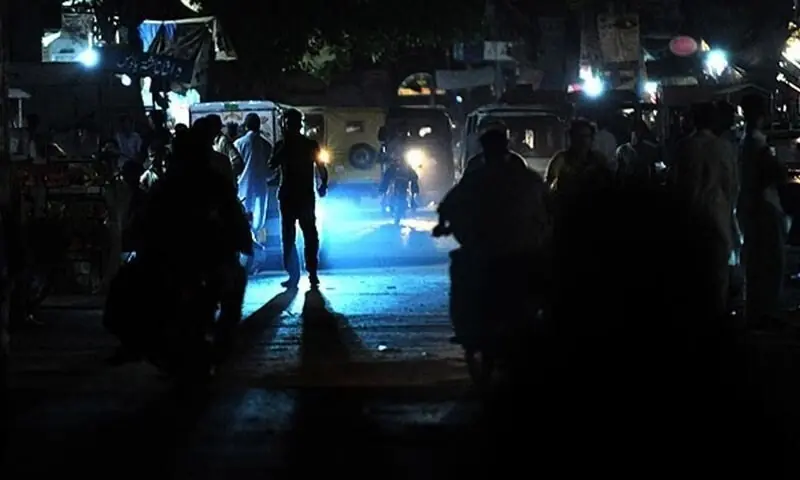
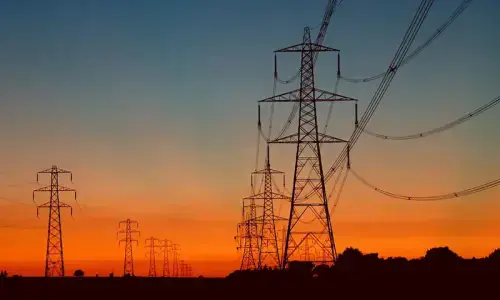
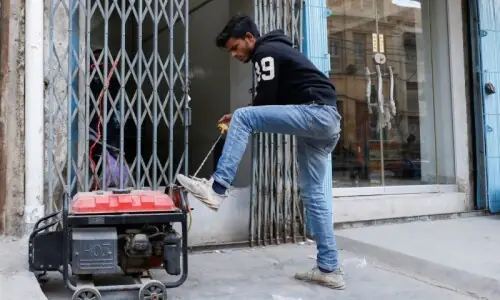
LAHORE: As the electricity shortfall surges, the forced loadshedding increased up to eight hours in urban and 12 to 16 hours in rural areas in the service areas of Lahore Electric Supply Company (Lesco) and other districts across the province.
The situation worsened from Monday evening after the power distribution companies (Discos) in Lahore, its adjoining districts and other cities and towns started observing unannounced or forced loadshedding on hourly basis, leaving the people spend most time (from 5pm Monday to Tuesday morning) without electricity.
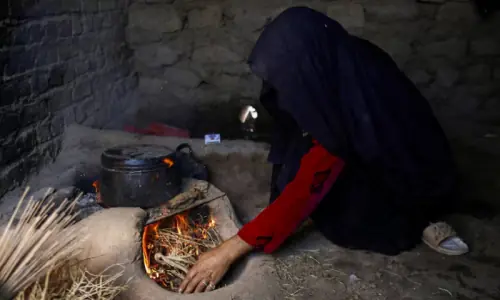
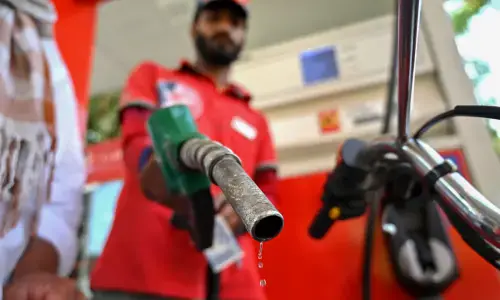
On the other hand, several parts of Punjab have also started witnessing gas load management with decreased time duration of gas provision in cooking hours in addition to low gas pressure in tail-end areas.
“The whole night we couldn’t sleep due to worst-ever loadshedding that remained continued on hourly basis. Similarly, Tuesday was also another terrible day, as we witnessed absence of light for prolonged hours from morning to evening,” Liaqat, a resident of Awan Town said while talking to Dawn on Tuesday.
Lesco shortfall increases to 820MW; urban centres facing eight, rural 12 to 16 hours loadshedding; tail-end areas worst hit by gas crisis
According to Shaukat, a resident of Township, the loadshedding hours seem to have been increased by Lesco from four to eight years or so. “I am observing the situation daily. Last week, the loadshedding ranged between three and five hours. But now it has suddenly increased to eight hours,” he commented.
Similar reports were received from several divisions and districts of Punjab, including Faisalabad, Gujranwala, Sialkot, Faisalabad, TT Singh, Sahiwal, Kasur, Sheikhupura, Multan, Khanewal, Bahawalpur, Rahim Yar Khan, Muzaffargarh and DG Khan serviced by Lesco, Fesco, Gepco and Mepco.
When contacted, a spokesperson for Lesco admitted increase in complaints related to loadshedding. “Yes, the loadshedding hours have increased. But the eight-hour loadshedding report is not correct,” she clarified, adding that the loadshedding is due to meagre supply of gas to power plants and less operation of costliest oil-fired plants.
According to an official source in the Lesco operations, the electricity demand on Tuesday in peak hours surged to 3,101MW whereas the allocation was 2,300MW. The power drawn was 2,280MW. Thus there was a shortfall of 820MW.
“On Monday, the allocation was 2,249MW whereas the demand was 2,870MW. The power drawn remained 2241MW, leaving Lesco to face a shortfall of 629MW,” he maintained.
Lesco Chief Executive Officer (CEO) Muhammad Ramzan Butt was not available for comments despite calls made by this reporter.
Gas loadshedding
Meanwhile, parts of Punjab, including Lahore, are also witnessing gas loadshedding with decrease during the cooking hours (breakfast, lunch and dinner timings). The situation in the tail-end areas is problematic, as the consumers, there, are experiencing extremely low gas pressure during cooking hours.
“Previously, the gas was being provided for three to four hours each in morning, noon/afternoon and evening/night timing. But now, we are receiving gas hardly for two hours during cooking hours,” commented a resident of Gulberg. He said in various areas, where some of his relatives are living, found low gas pressure or no gas during cooking hours due to tail-end area situation.
However, an official source in the petroleum division dispelled the impression, stating that the Sui Northern Gas Pipelines Limited (SNGPL) is providing gas to people for eight hours or so daily. “Till Wednesday, we are hoping resumption of around 90MMCFD gas supply into the system from Khyber Pakhtunkhwa that went out of the network due to damage caused to a major pipeline by heavy rains last week. He said current demand of the domestic consumers both in Punjab and KP is around 400MMCFD, which is normal in the ongoing summer.
Published in Dawn, April 15th, 2026