0
0

KARACHI: Following inconclusive Islamabad talks to forge a lasting peace in the Middle East, fears of supply disruptions returned, pushing oil prices above $100 per barrel and triggering panic-selling at the Pakistan Stock Exchange (PSX), which plunged sharply as investors rushed for an exit, fearing escalation in geopolitical tensions.
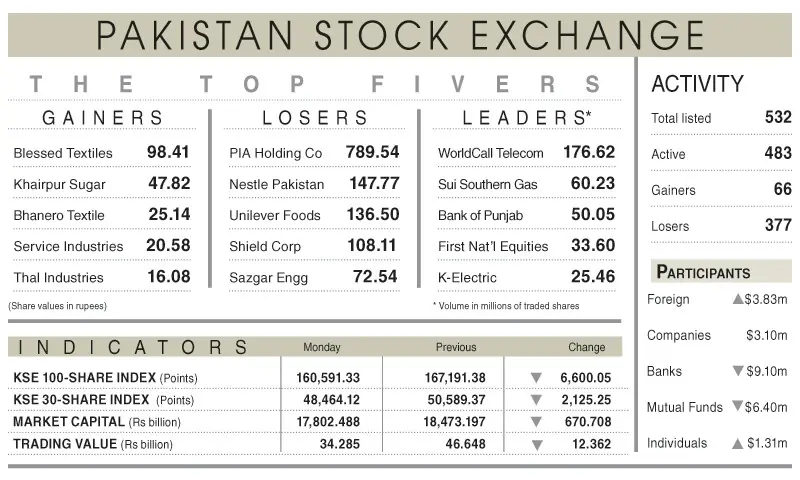
Ali Najib, deputy head of trading at Arif Habib Limited, said the PSX closed in the red, with the KSE-100 index down 6,600 points, or 3.95 per cent, to 160,591, as heightened geopolitical tensions triggered a broad-based sell-off.
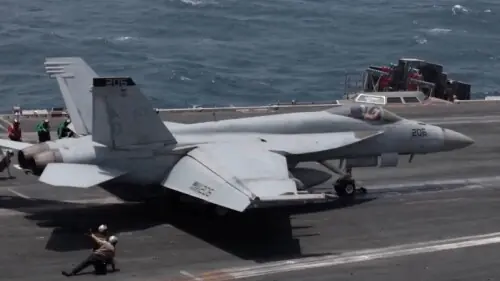
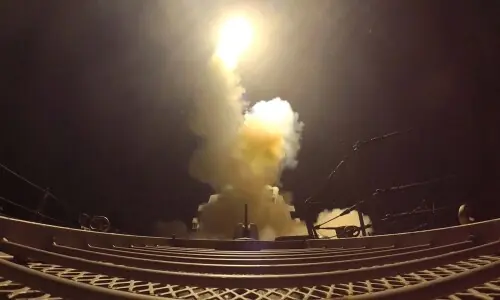
Market sentiment remained fragile throughout the session, following inconclusive peace talks between US and Iran over the weekend and reports of a potential blockade of the Strait of Hormuz, which raised concerns about global oil supply disruptions and macroeconomic stability.
On the macro front, Fitch Ratings reaffirmed Pakistan’s long-term foreign-currency rating at “B-”, providing some underlying support for investor confidence.
Meanwhile, energy data showed mixed trends, with gas production declining 0.3pc week-on-week to 3,057 mmcfd, while oil output rose 0.8pc to 67,581 bpd, marking its fifth consecutive weekly increase and highest level since August 2024.
Topline Securities Ltd said the market witnessed significant fluctuations throughout the day, with the index reaching an intraday high of 163,612 points and slipping to a low of 160,158 points. The downturn was primarily driven by uncertainty stemming from the lack of progress in the US-Iran talks, coupled with growing concerns about a potential blockade of the Strait of Hormuz. These developments pushed global oil prices higher, triggering broad-based panic selling across the market.
Selling pressure was particularly concentrated in index-heavy stocks, with Fauji Fertiliser, United Bank, Engro Holdings, Lucky Cement, and Meezan Bank emerging as major laggards, collectively dragging the benchmark down by 2,414 points.
Investor participation weakened as trading volume fell 15.11pc to 743 million shares and traded value dipped 26.50pc to Rs34.1bn, reflecting continued investor engagement amid elevated volatility.
Analysts said the near-term direction of the market would hinge on geopolitical developments. A de-escalation in the Middle East and continuation of the fragile ceasefire could help stabilise oil prices and restore investor confidence. Conversely, any further escalation may sustain pressure on the market and delay recovery.
Published in Dawn, April 14th, 2026