• Major carriers divert or turn back due to missile fire fears
• Many stranded in chaos as major hubs like Dubai run below capacity
• European countries begin repatriation flights amid extended high-risk regional warnings
DUBAI: With commercial air travel in the Middle East faltering amid missile threats that have forced major carriers to divert flights, a desperate scramble to flee the war-hit Gulf has fuelled a surge in demand for private jets, sending prices as high as $200,000 for a one-way trip.
When Samuel Lait launched PetX Jets, a private flight firm focused on pet travel in Dubai, he expected queries from owners flying with their animals. Instead, his inbox is full of requests from young adults, pregnant couples and the elderly wanting to flee the United Arab Emirates.
“The original idea was to transport pets and their owners between the UK and Dubai primarily. And that’s very much changed since Saturday,” Lait said. “We’re trying to sort of move with what’s happening.”
Residents and travellers are exploring alternative ways to leave, including crossing by land into Oman and Saudi Arabia to catch flights.
“Since the escalation of tensions in the region, we have seen a significant increase in bookings … every 10 minutes we have requests,” said Altay Kula, CEO of France-based private jet broker Jet-VIP. “People are seeking solutions to leave the Middle East, particularly Dubai and Qatar.”
Both Lait and Kula said charter flight prices from the region have leaped since the conflict began.
The typical price for a light jet carrying six people from Dubai to Istanbul has doubled from $50,000 to $100,000, Kula said. A heavier aircraft for up to 15 people has jumped from $110,000 to $200,000.
Operators also face a scarcity of airport slots in nearby hubs like Muscat and Riyadh due to spiking traffic. Kula said it can take up to 24 hours just to get authorisation to pick up passengers in Oman, while airspace restrictions make it difficult to get slots in Dubai itself.
Rescue flights hindered
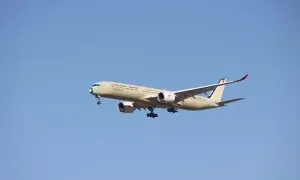
Separately, a Lufthansa jet headed to the Middle East diverted over safety fears and an Air France repatriation flight was forced back by missile fire on Friday, underscoring the extreme danger in the region’s skies even as some Emirati airlines resumed limited flights from the war-hit Gulf.
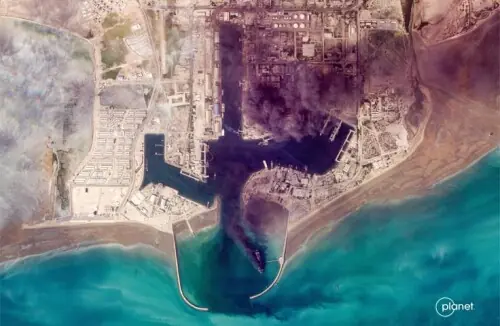
The outbreak of the US-Israel war against Iran has led to widespread flight cancellations, leaving airlines and governments scrambling to support thousands of stranded passengers as the conflict entered its seventh day. The disruption has hit global travel, sending airline shares from New Zealand to Japan sliding and driving up fuel prices over supply fears.
Passengers have paid huge sums for last-minute dashes to airports and overland trips to less impacted hubs to escape the Middle East. With most regional airspace still closed over missile and drone concerns, some described the situation as “absolute chaos”.
The instability was highlighted when a Lufthansa flight to the Saudi capital Riyadh diverted to Cairo on Friday over safety concerns, a day after an Air France flight made a similar move.
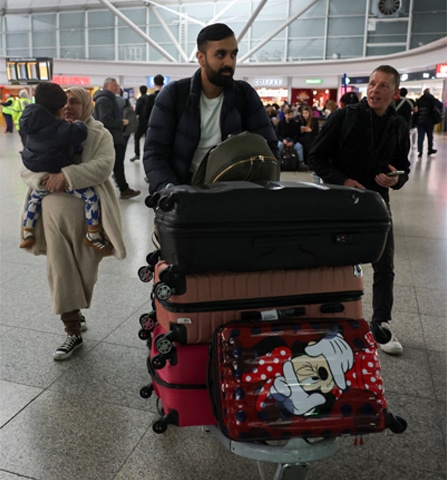
The turnaround “reflects the instability in the region and the complexity of repatriation operations,” French Transport Minister Philippe Tabarot said. Britain’s first repatriation flight from Oman landed at London’s Stansted Airport early on Friday after delays, with similar flights for other European nations arriving or en route.
The European Union Aviation Safety Agency extended a warning about high risks to air traffic in the region until March 11.
The limited operations have hit travellers on key routes from Europe to the Asia-Pacific particularly hard. Gulf carriers Emirates, Qatar Airways and Etihad normally fly about one-third of all passengers between Europe and Asia.
As of Thursday, traffic at Dubai’s DXB, the world’s busiest international airport, remained at only 25 per cent of normal levels, according to flight-tracking website Flightradar24.
Published in Dawn, March 7th, 2026