
PAKISTAN’S entertainment and cultural sector had an eventful 2025, where TV dramas thrived, films survived, and music was revived thanks to the rejuvenated Pakistan Idol. However, the wait for Pakistan’s debut on Netflix remains a dream, as the OTT platform has not released Pakistan’s first Netflix drama, Jo Bachay Hain Sang Samait Lo, in the last 12 months.
That said, there were plenty of positives to take forward, including the introduction of TV dramas centred on youth and the revival of some of the best Pakistani songs through Pakistan Idol.
TV’s meaningful turn
Pakistan’s TV dramas remained the country’s biggest export during the last 12 months. Not only did dramas that carried on from 2024 manage to make an impact, but so did those that premiered in 2025. If Duniyapur and Faraar kept action enthusiasts entertained, Meem Se Mohabbat and Shirin Farhad charmed their way into viewers’ hearts. However, nothing could beat Tan Man Neel o Neel, which shocked audiences with its thought-provoking climax.
If Behroopia stood out thanks to Faysal Qureshi’s adaptability in playing nine different characters, then Aye Ishq-i-Junoon, Qarz-i-Jaan, and Naqsh grabbed the audience’s attention with their stylish execution. One must also commend Saba Qamar for her performances in Pamaal and Case No. 9, in which she portrayed two very different characters without losing her edge. Her character in Pamaal highlighted the plight of women in toxic relationships, while in Case No. 9, she played a rape survivor who takes her rapist to court.
Naumaan Ijaz was not far behind, with his charisma making Parwarish and Sharpasand popular throughout the year. While he played second fiddle to youngsters Samar Jafri and Aina Asif in the former, he was at the top of his game in the latter, portraying a deceitful character with no qualms about being so. The same makers also came out with Sher, which was well received due to Danish Taimoor’s unlikely turn as a non-toxic hero.
There were many watchable dramas on the small screen, though most cinema releases failed to impress.
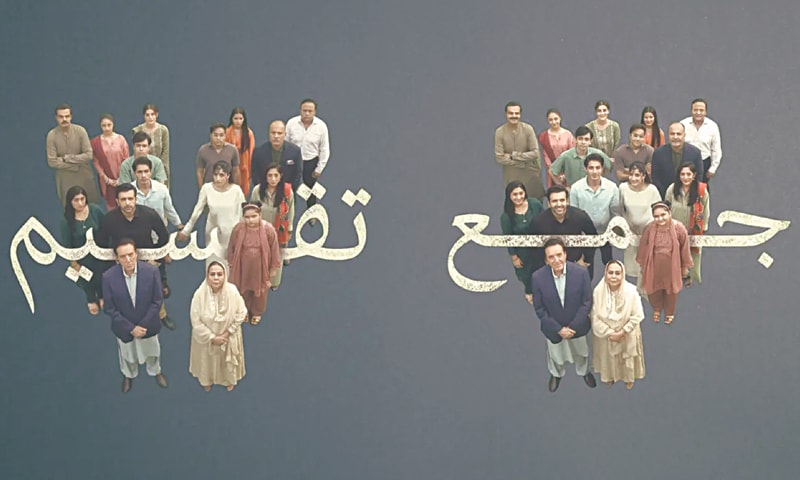
On the one hand, TV channels experimented with youthful stories; on the other, there was the Wahaj Ali and Seher Khan-starrer Jinn Ki Shaadi Unki Shaadi, whose special effects became a viral trend. Then there were Jama Taqseem, which dealt with the pros and cons of the joint family system; Dastak, which tackled the survival of a single parent; Goonj, which revolved around workplace harassment; and Dil Dhoondta Hai Phir Wohi, which discussed dementia at length.
The year wasn’t ideal for dramas with huge star casts, which is why neither Main Zameen Tu Aasmaan nor Main Manto Nahi Hoon managed to make an impact. Zafar Mairaj’s Biryani was expected to be good, but its execution was so substandard that it ended up being forgettable.
Actors like Adnan Qavi Khan and Amena Khan (Jama Taqseem), Aamina Sheikh and Navin Waqar (Case No. 9), Noman Masood (Tan Man Neel o Neel), Saima Noor (Main Manto Nahi Hoon), Sanam Saeed (Doosra Chehra and Main Manto Nahi Hoon), and Sarwat Gillani (Biryani) also made their much-awaited comebacks to TV.
Film industry: still struggling
Pakistani filmmakers had a disappointing 2025. Out of the 13 films that made it to cinemas, only two were worth remembering. What was encouraging, however, was the return of Rahul Aijaz’s Sindhi film Indus Echoes and the release of the first-ever Burushaski-language film, Hundan.
The two films that kept cinemas alive were Humayun Saeed and Mahira Khan’s Love Guru, and Faysal Qureshi and Sonya Hussyn’s horror flick Deemak. As their titles suggest, the former was a romantic comedy in which love ultimately prevails. The latter revolved around a haunted house in which the grandmother, played by Samina Peerzada, is possessed by demons.
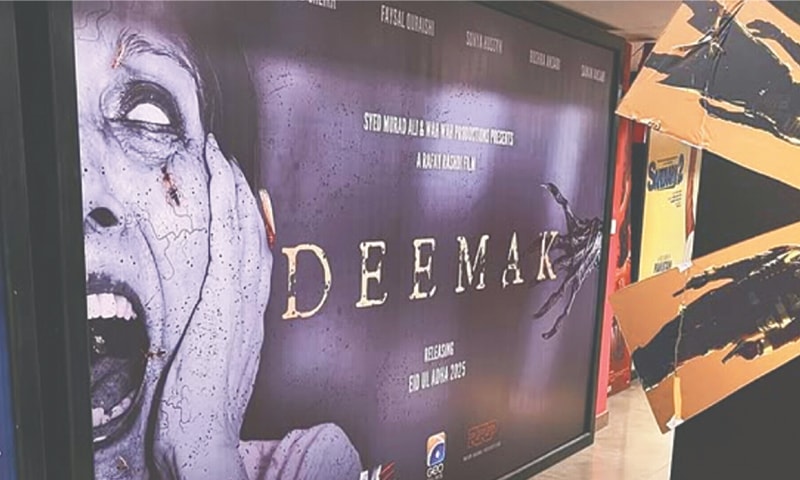
Not only did these two films generate profits for their producers, they also kept audience hopes alive — hopes somewhat dashed by the Fawad Khan-Mahira Khan starrer Neelofar. Unlike the two hits released during Eidul Azha, Neelofar came out in the last week of November and failed to appeal to audiences.
Even so, it was still better than most of the other films released throughout the year. While Kabeer is inexplicably aiming for a re-release, Lambi Judai, Qulfee, Welcome to Punjab, Hum Sab, and Item did more harm than good simply by releasing in cinemas. There appeared to be little thought or discussion behind these projects, as most were poorly executed.
Two English-language films were also released in Pakistan, featuring local actors and filmmakers. Veteran Hollywood actor Faran Tahir appeared in both, playing central characters. While Shaz Khan’s The Martial Artist suffered from the release of a dubbed Urdu version ahead of its original English cut, Sami Khan-Faysal Qureshi-Suhaee Abro’s The Window was neither properly marketed nor given bankable slots in cinemas. It would have helped both films had they been released on non-holiday occasions, as they might have raked in some moolah at the box office.
Return of Pakistan Idol
The year also marked the return of Pakistan Idol after more than a decade, with a new strategy. Instead of being restricted to a single TV channel, the show expanded to multiple channels, making it even more popular. Youngsters from across the country were welcomed with open arms and judged by a panel comprising Fawad Khan, Zeb Bangash, Bilal Maqsood, and Rahat Fateh Ali Khan.
The show’s most significant contribution was reviving old Pakistani classics that were no longer getting much airtime, keeping today’s audience connected to a glorious musical past. The new year will bring the final round, where one contestant will be declared the winner, and audiences are impatiently waiting for that moment.