Why are multinationals exiting Pakistan? Here’s what analysts have to say

American multinational corporation Procter & Gamble said on Thursday that it would wind down its manufacturing and commercial activities in Pakistan and rely on third-party distributors to continue to serve customers as part of a restructuring programme.
The news comes as various multinational corporations (MNCs) have pulled their operations from Pakistan over the past three years, including Eli Lilly, Shell, Microsoft, Uber and Yamaha.
Does this point to a greater trend suggesting that the economic climate in Pakistan is inhospitable for multinationals, or are there other reasons? Here’s what analysts have to say:
‘Companies have own reasons for exiting’
Business and economy journalist Khurram Hussain said that companies have “their own reasons” for exiting. “It is not really about Pakistan, but restructuring at their end,” he said.
“Take Shell as an example. They have exited the retail fuel business in Mexico and Indonesia as well as Pakistan, and retail energy more broadly in many other markets,” he said.
“They’re trying to refocus in higher margin areas like liquefied natural gas etc […] their exit from Pakistan was part of this global restructuring,” he said.
‘Exit does not always result in withdrawal of products’
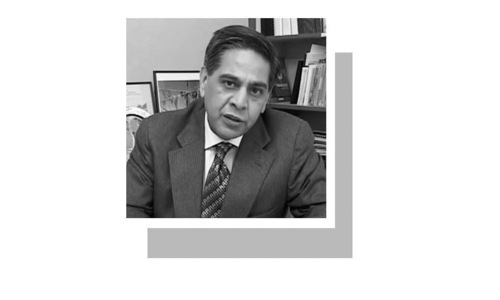
Speaking to Dawn.com, former Pakistan Business Council (PBC) chief executive officer (CEO) Ehsan Malik highlighted several factors leading to the exit of MNCs, stating that it varied from sector to sector.
He said that MNCs in the pharmaceutical sector leave due to delays in price change approvals and poor promotional ethics of some local companies, while companies like Shell and P&G responded to the “global change of focus on categories and geographies”. Others leave due to weak enforcement of intellectual property rights, he added.
He further noted, “Growing competition from local companies, a large informal sector and shrinking margins dilute the group performance, which together with high taxes and a weaker Rupee are factors that also contribute to an exit.”
Companies often cite “security conditions”, he said, adding that with fewer expatriates, local managements have learnt to cope with the conditions.
“It is important to note that an exit does not always result in the withdrawal of products and brands,” he stated.
“A distributor model can maintain their presence and MNCs can rely on third-party market research and advertising agencies to promote their brands.”
‘Companies relocating as part of strategic shift’
Awais Ashraf, director of research at AKD Securities, said, “Many companies are relocating as part of a strategic shift toward operating from regional hubs instead of maintaining manufacturing facilities in every country, enabling them to leverage economies of scale.”
He highlighted “growing efficiencies among local distribution players”, with a more skilled workforce and adoption of advanced technologies, which have facilitated “seamless product distribution” without having a physical presence.