P&G says it is winding down operations in Pakistan, will rely on ‘third-party distributors’
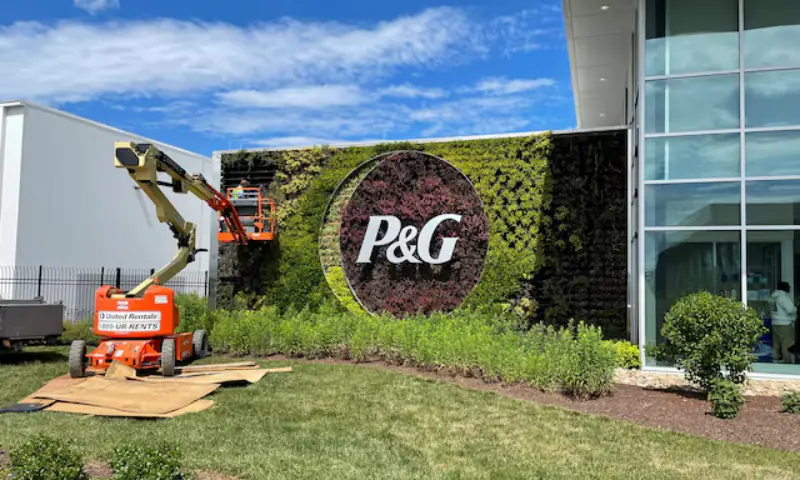


American multinational corporation Procter & Gamble said on Thursday that the company would wind down its manufacturing and commercial activities in Pakistan and rely on third-party distributors to continue to serve customers in the country as part of the consumer product group’s global restructuring programme.
“We will continue to operate the business in the ordinary course until the process is complete, which may take several months,” said a statement by P&G.
“Supporting this company decision, P&G Pakistan and the supporting regional teams will begin transition planning immediately, with a focus first on P&G people,” it added.
According to the statement, employees whose roles are impacted by this decision will be “considered for opportunities in other P&G operations outside Pakistan or will be offered separation packages” in accordance with local laws, company policies, and P&G’s values and principles.
In Pakistan, a number of brands are under the P&G umbrella, including Pampers, Ariel, Always, Safeguard, Head & Shoulders, Pantene, Olay, and Vicks.
Meanwhile, Gillette Pakistan, a subsidiary of P&G, said it would evaluate a potential delisting following a decision by its parent to discontinue its business in Pakistan.
It plans to convene a board meeting shortly to evaluate the actions required for this business discontinuation, including the potential delisting from the Pakistan Stock Exchange, the company said in a filing.
Reacting to the news, former president of the Institute of Chartered Accountants Pakistan (ICAP) Asad Ali Shah termed P&G’s exit as “another red flag for investment climate”.
“Procter & Gamble’s decision to leave Pakistan underscores a deeper truth: doing business here has become increasingly unviable — not just for multinationals, but for investors of all kinds,” he posted on X.
“When global giants pack up, it signals that our policy unpredictability, currency risks, and regulatory chaos have outweighed market potential,” he said, adding that this was not about one company but about the growing perception that “Pakistan punishes investment instead of protecting it”.