• New law proposes real-time monitoring of stocks
• Imposes up to Rs100m fine on sale of smuggled petrol
ISLAMABAD: The government has introduced a landmark bill in the National Assembly aimed at digitally tracking petroleum products from import and production to retail sales in a bid to curb smuggling and adulteration, which cause massive revenue losses estimated at Rs300-500 billion annually besides affecting environment and vehicle engines.
The Petroleum (Amendment) Act, 2025 — moved by Petroleum Minister Ali Pervaiz Malik on Monday — seeks to amend the 1934 Petroleum Act. The draft law envisages new clauses for information technology-based tracking of petroleum products to curb smuggling and to initiate strict actions against illegal transportation and decantation of petroleum products, along with actions to be taken against illegal petrol pumps.
All local refineries and major oil marketing companies have been demanding — both individually and from their collective forums — that the government take stringent measures at borders and at domestic locations of production and sale to control smuggling of petroleum products, including LPG, as it negatively affected their businesses and caused substantial revenue losses to the government.
A 2020 inquiry ordered by the then-prime minister estimated that over Rs250bn worth of petroleum products were being smuggled annually, mostly from Iran. In April 2024, a joint intelligence report revealed that nearly 10 million litres of Iranian petrol and diesel were entering Pakistan daily via land and sea, causing a revenue loss exceeding Rs227bn.
This report entailed complete identities, addresses and contact numbers of 100 black sheep in around a dozen law enforcement agencies, owners and operators of 533 illegal petrol stations across the country, and 105 smugglers of Iranian oil. The report also contained precise information about informal border crossings and routes for trafficking smuggled items throughout Pakistan.
Officials and sources in the oil industry suggest these reports were just the tip of the iceberg and did not cover the business and operations of the adulteration of petroleum products.
The new clauses also empower the government to enable confiscation of petroleum products, equipment, machinery, transportation and storage facilities by deputy commissioners, assistant commissioners and designated officers under the Customs Act, 1969, before and after conviction to provide for stringent administrative action against illegal activities.
For swift legal proceedings, trial powers for offences under the act will be vested in sessions courts, while administrative enforcement will rest with deputy and assistant commissioners.
Another clause provides a right of appeal in the high court, and yet another binds the Department of Explosives or other respective regulatory authorities to revise, extend, or allow new licences in a given timeframe.
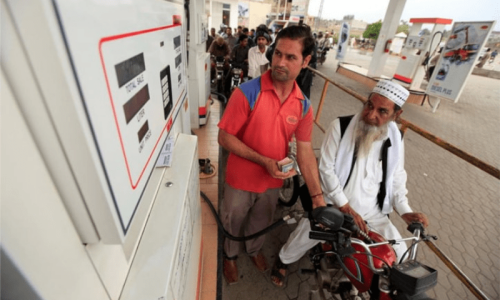
One clause outlines a framework for digital tracking and monitoring of petroleum products using real-time data and coordinated action between government agencies. This includes tracking storage points, petrol stations and transport vehicles using IT-enabled systems.
Under the draft law, any individual found importing, transporting, storing, producing or selling petroleum products illegally would face a fine of Rs1m, rising to Rs5m for repeat offences. Facilities found operating without a valid licence would be sealed, and their machinery, tanks and stock confiscated. The owner would be subject to a Rs10 million fine. Those with expired or cancelled licences would be granted a six-month grace period for renewal. Failure to do so would result in confiscation and a Rs1m fine.
The Department of Explosives will renew the licences within a month upon receiving the required documents and the fee. The owner of a premises or facility involved in the storage or sale of smuggled petroleum products will be liable to closure and all machinery, equipment, materials, storage tanks and petroleum products being employed or sold will be confiscated along with a fine of Rs100m. The licence of such facility will also be cancelled. Any means of transportation involved in transporting smuggled petroleum products will also be confiscated.
Published in Dawn, May 14th, 2025