KARACHI: In a move that highlights growing divide between key political allies in the Centre, the PPP government in Sindh has called on the PML-N-led coalition government to convene a meeting of the Council of Common Interests (CCI) — a key body tasked with resolving power-sharing disputes between the federal and provincial governments — reminding Islamabad to “fulfil its constitutional obligation” in this regard.
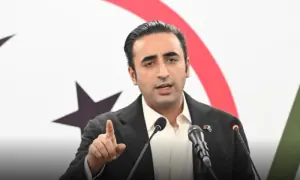
The demand came on Thursday when Sindh CM Syed Murad Ali Shah in a statement said that the meeting, which according to the Constitution should have been called after every three months, had not been held even after passage of nine months. And the demand came only a day after the PPP leadership formed a committee to “raise issues” with Islamabad, sending a message to PM Shehbaz Sharif that it could no longer offer unconditional support to his government.
“Sindh Chief Minister Syed Murad Ali Shah has called on the federal government to convene a meeting of the CCI,” said a brief statement issued by the CM House. “Under Article 154(3) of the Constitution, it is mandatory to hold a CCI meeting every 90 days. It has been nine months, yet no meeting of the CCI has been convened. According to the Constitution, three meetings should have been held by now. The federal government must fulfil its constitutional obligation by convening the CCI meeting,” it added.
The CCI, a key constitutional body within the federal government established under the 1973 Constitution, plays a vital role in resolving power-sharing disputes between the federal government and the country’s provinces. Appointed by the president on the recommendation of the Prime Minister, the CCI operates under the Ministry of Inter-Provincial Coordination.
It is accountable to the parliament, including both the Senate and the National Assembly. The council is tasked with ensuring that the distribution of authority between the central and provincial governments remains balanced and in accordance with constitutional principles.
The CCI initially operated under the cabinet division, but its oversight was shifted following the 18th Amendment to the Constitution. On March 4, 2010, the body was moved to the ministry of inter-provincial coordination.
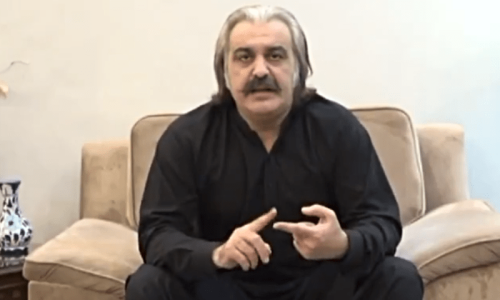
However, the concerns of the PPP didn’t end there. A key member of the provincial cabinet took up another issue to target the PML-N government in Punjab. Responding to Punjab Minister Azma Bukhari’s statement, Sindh Senior Minister Sharjeel Inam Memon said that the province’s concerns over water management were not unfounded.
Shazia Marri warns ‘six canal-project’ can create political instability
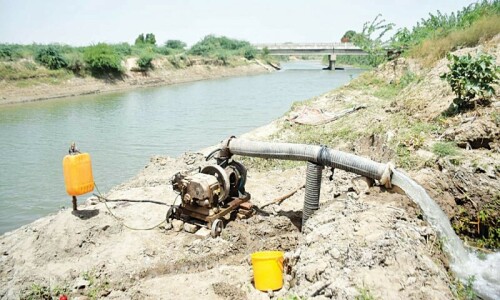
“Water is a common right for everyone, and starting any project without consensus is not an appropriate approach,” he said. “The 1991 Water Accord mandates the fair distribution of water among all provinces, including Sindh. Azma Bukhari should first understand the ground realities before making a statement. We want prosperity across Pakistan and the development of the agricultural sector. Small farmers need maximum support and facilities, and Sindh’s stance on the water issue is very clear.”
Then came the party spokesperson Shazia Marri who warned the federal government over the proposed six new canals from the Indus River and said that “imposing opinion through power will create political instability.”
“The PPP chairman has made an important proposal to the federal government regarding the suggestion of extracting six new canals from the Indus River,” she said in a statement. “Concerns of the people of Sindh and Balochistan regarding water should be heard. The federal government should reconsider its plan to extract more canals from the Indus River. Imposing one’s opinion through power will create political instability and have a negative impact on the national economy.”
Published in Dawn, November 22th, 2024