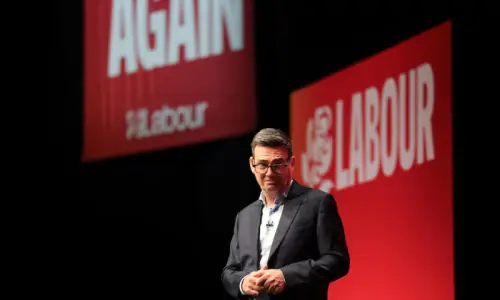
Rishi Sunak and Keir Starmer hit campaign trail as UK election race begins


British Prime Minister Rishi Sunak and his rival, Labour Party leader Keir Starmer, kicked off their election campaigns on Thursday, each arguing that only they can snap the country out of its economic and political malaise.
Sunak, whose Conservative Party has trailed Labour by around 20 percentage points in opinion polls since he became PM in October 2022, shocked and angered many in his party when he gambled on a July 4 election, calling it months earlier than expected.
He argued on Thursday that the economy was turning a corner and he had a plan to tackle illegal immigration. But with prices in the shops up 21 per cent in the last three years and the national health service buckling under record waiting times, it may be hard to persuade voters that Britain is on the right track.
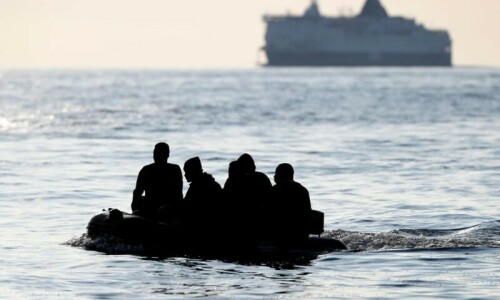
Sunak also admitted the first flights sending illegal migrants to Rwanda, a flagship policy, would not take off before the election. Legal challenges are already lined up.
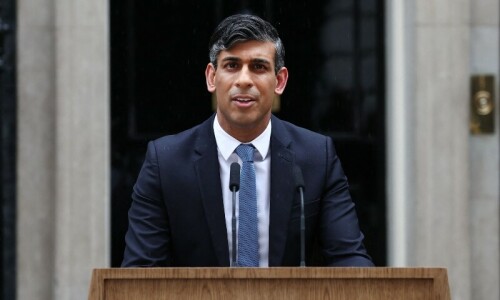
The former investment banker announced his decision in the pouring rain in Downing Street on Wednesday, having to shout over protesters blaring the song “Things Can Only Get Better” — an anthem associated with Labour’s crushing 1997 election victory under Tony Blair that ended the last long period of Conservative rule.
“Economic stability is now returning to the country,” Sunak told GB News television. “Although I know not everyone is feeling the full benefits of that yet, it’s clear that we have turned a corner. Now is the moment to look to the future.”
At stake is control of the world’s sixth largest economy which has endured years of low growth and high inflation, is still battling to make a success of its 2016 decision to leave the European Union, and is slowly recovering from the twin shocks of Covid-19 and an energy price spike caused by the war in Ukraine.
That backdrop makes the economy one of the most important electoral battlegrounds. The two parties are also likely to focus on who can control migration numbers, tax and spending and security.
Political turmoil
Polls show voters want change, even if they are not hugely enthused by Starmer and his Labour Party, after 14 years of Conservative government marked by unprecedented political turmoil and so-called culture war issues.
Coffee shop worker Kitty McMurray, on her way to work, said the country needed an election because it felt like everything was falling apart. “Bring it on,” the 29-year-old said.
Both party leaders are expected to hit the campaign trail, seeking to seize the early initiative by meeting voters and pressing the messages they hope will earn them enough seats in Parliament to form a majority government on July 5.
Starmer, the country’s former chief prosecutor who has pulled Labour’s politics back to the centre ground after the party lurched to the left under his predecessor, has vowed to bring stability — and change — to a disgruntled electorate.
“Labour will stop the chaos, turn the page and get Britain’s future back,” he said in an early campaign message to party members, describing the election as “the fight of our lives”.
Were Labour to win the election, Starmer would become Britain’s sixth prime minister in eight years, the first time that has happened since the 1830s, underscoring the level of turmoil that has gripped a country once known for its political stability and pragmatism.
While the electioneering gets underway, activity in parliament is expected to pick up too as the government works out which of the pieces of legislation currently in process will be rushed through, and which will fall by the wayside.
Laws currently under discussion include Sunak’s plan to impose some of the world’s strictest anti-smoking rules by banning anyone aged 15 and under from ever buying cigarettes.