NO matter how painful, a larger, medium-term IMF bailout, with complementary financial support from ‘friendly’ countries, is imperative for Pakistan to address its balance-of-payments troubles.
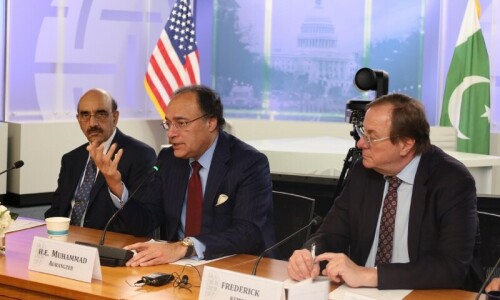
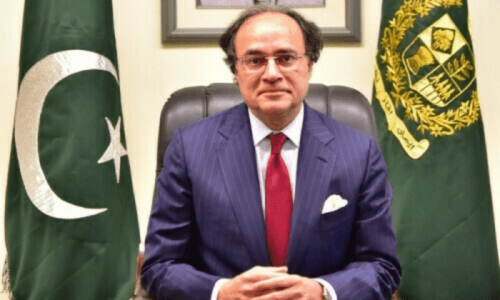
However, the key to unlocking fresh IMF funds lies in convincing the lender that Pakistan is now ready to undertake real reforms. Seeking a bailout of $6bn-$8bn before the current fiscal year ends, Finance Minister Muhammad Aurangzeb is set to hold discussions with the Fund for new lending on the margins of the IMF and World Bank spring meetings in Washington, as well as muster the support of ‘friendly’ nations for its request.
Negotiations for the new loan will not be easy even though the Fund is, according to the minister, “very receptive” to Pakistan’s request for a new programme. Indeed, it has expressed its willingness to help Islamabad navigate through its crisis ever since Pakistani authorities broached the subject of a follow-up programme with its mission last month during the final review of the just-concluded $3bn Stand-by Arrangement.
Yet it has made it clear that the new bailout hinges on Pakistan’s readiness to implement tough, unpopular reforms the country had earlier circumvented. More recently, IMF chief Kristalina Georgieva said that Pakistan was in discussions with the Fund for a follow-up programme to the previous SBA, but added that “important issues” needed to be solved, including “the tax base, how the richer part of society contributes to the economy, the way public spending is being directed and … creating … a more transparent environment”.
Mr Aurangzeb is discussing a new programme at a time when global creditors like the Asian Development Bank are repeatedly warning that Pakistan will continue to face challenges from substantial new external financing requirements and the rollover of old debt, exacerbated by difficult global financial conditions.
Pakistan’s desperation to close a new deal with the IMF is reflective of the perilous state of its economy. In its April 2024 Asian Development Outlook report, the ADB describes Pakistan’s economic prospects as uncertain, with high risks on account of the impact of political uncertainty on the sustainability of stabilisation and reform efforts. Noting that potential supply chain disruptions from the escalation of the Middle East war would weigh on the economy, it says: “With Pakistan’s large external financing requirements and weak external buffers, disbursement from multilateral and bilateral partners remains crucial.” It points out that the IMF support for the reform agenda would improve market sentiment and catalyse affordable external financing from other sources, but warns that “these inflows could be hampered by lapses in policy implementation”.
If anything, the report suggests that Pakistan has no time to waste and no room to avoid the long-delayed reforms without causing irreparable harm to its people and economy.
Published in Dawn, April 16th, 2024