THE government’s recent unveiling of ‘austerity’ measures, ostensibly aimed at reducing expenses, appears to be more about show than actual substance.
While restricting cabinet members to three international trips per year and delineating travel class guidelines for various officials might seem like prudent steps, they barely scratch the surface of the belt-tightening needed to navigate Pakistan through its financial quagmire.
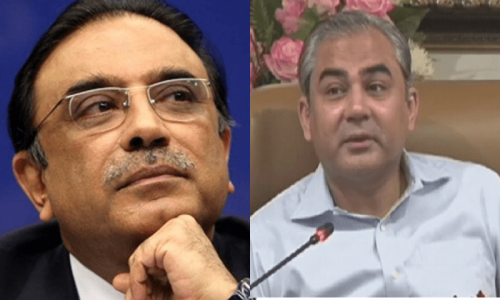
The decisions by the president and interior minister to forgo their salaries, though commendable on the surface, pale in comparison to the extravagance that continues to plague government spending. The gesture does little to address the underlying issues of fiscal irresponsibility that have led to our current economic predicament.
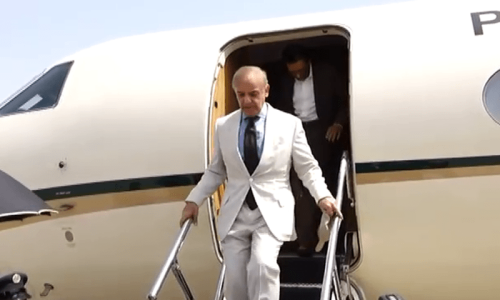
Allowing MNAs and senior bureaucrats the luxury of business class travel — which in practical terms for a return ticket to many European destinations means spending approximately a million rupees — is a slap in the face of the concept of fiscal restraint. The image of lawmakers and bureaucrats jet-setting on public coin sends a conflicting message to the populace they serve, especially when 40pc of the people fall below the poverty line.
The disparity in salary ratios between various employees in the UK and Pakistan serves as a shameful mirror for reflection. In the UK, the salary ratio between a janitor and the senior-most bureaucrat is 1:8, whereas in Pakistan, it is an astounding 1:80. The officials who think they are tightening their belts by not flying first class (the president and chief justice can, however) are sorely mistaken.
The austerity narrative pushed by the government — indeed like all other governments before it — collapses under the weight of these contradictions. The privileging of a select few to cushy travel perks, while a significant chunk of the nation struggles to eat three square meals a day, is not austerity; it is austerity theatre.
The critique here is not merely about the scale of the measures but their sincerity. Real austerity involves hard choices and genuine sacrifice, not selective tokenism. The continued allowance of benefits and the half-measures proposed signal a troubling lack of commitment to governance and fiscal responsibility.
If the government means business, lawmakers would do well to pass a resolution in parliament refusing such privileges until the economy stabilises. The PM, services chiefs, and at best, the foreign minister may utilise such travel perks but it is unreasonable to extend these to the rest of the government machinery.
Symbolic gestures won’t do anymore. There is a need for a fundamental reassessment of priorities and spending, with a laser focus on eliminating waste and directing resources towards sustainable economic recovery. Only then can the nation hope to emerge from its economic plight and embark on a future marked by stability and prosperity.
Published in Dawn, March 20th, 2024