0
0
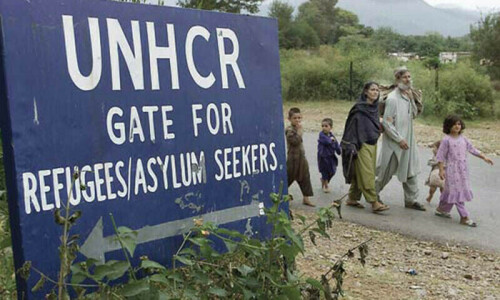
ON Saturday, as UN agencies pressed Islamabad to consider the risks of forcefully repatriating Afghan refugees, a major earthquake in western Afghanistan resulted in over 2,000 deaths, according to the Taliban government, with thousands left injured and homeless.
Reports of the devastation caused by the disaster served as a grim backdrop to the concerns raised by humanitarian agencies about the difficulties Pakistani authorities may condemn hundreds of thousands of Afghans to as they go ahead with a controversial plan to evict all ‘illegal aliens’ by the end of this month.
The drive, which has been criticised for seeking to forcibly push those who had fled violence, persecution and impoverishment in Afghanistan back into that troubled country, has been pursued with unseemly eagerness by the caretaker government, with one ministry even running a countdown on X (formerly Twitter) to remind undocumented migrants about the number of days they have remaining in this country.
Meanwhile, reports abound of refugee settlements being shuttered, landlords being told to evict Afghan tenants, and Afghans — both documented and undocumented, men, women and children — being rounded up by police across the country.
The reaction from rights organisations and more hospitable Pakistanis to Islamabad suddenly turning its back on Afghan refugees has, understandably, been one of dismay and concern.
While the Pakistani authorities are well within their rights to demand that migrants and refugee seekers, especially those who are undocumented, return, is this really the right way to go about doing so?
Uprooting hundreds of thousands of human beings who have scraped together a life in Pakistan and sending them back to an uncertain future defined by terror and turmoil seems unnecessarily cold, made all the more so by the short deadline given to them to pack up and leave.
The UNHCR and the International Organisation for Migration have both come forward to advocate for the rights of Afghan refugees; they must work proactively with the Pakistani government to find a quick solution to this issue. It appears from reports that the authorities here are unprepared for the task they have taken on.
At the bare minimum, the ongoing effort to deport all foreigners not holding a valid visa and passport requires international oversight to ensure that those being returned are not deprived of what little they possess in the process.
There have been complaints of unscrupulous individuals exploiting vulnerable Afghans by demanding bribes to ensure their safety; the Pakistani authorities have a responsibility to put an immediate end to such reprehensible practices.
Ideally, the entire exercise needs to be reconsidered, but even if the decision is non-negotiable, the returning Afghans need to be treated with compassion. They are owed that.
Published in Dawn, October 9th, 2023