Burger King says tomatoes on ‘vacation’ as India battles food inflation



Burger King has scrapped tomatoes from its wraps and burgers in many Indian outlets after prices more than quadrupled, the latest symptom of surging food inflation that is hitting consumers hard across the world’s most populous nation.
“Even tomatoes need a vacation … we are unable to add tomatoes to our food,” read notices pasted at two Burger King India outlets. The chain has cited quality issues in explaining the shortfall.
Tomato price inflation hits Burger King India.
by u/jackhammery in BurgerKing
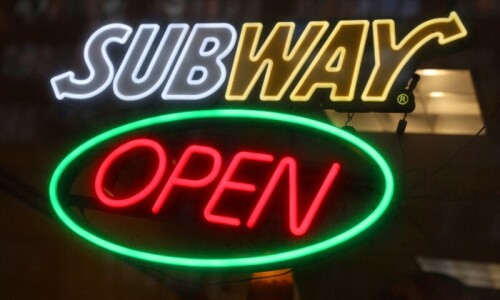
The burger chain, one of India’s biggest with nearly 400 outlets, joins many McDonald’s and Subway stores that have removed tomatoes from menus as India’s food inflation this week hit its highest since January 2020.
The US sandwich chain even cancelled the free cheese slices it offered for years.
Rival Domino’s, meanwhile, has tried bringing down prices to appeal to struggling consumers with a $0.60 pizza — its cheapest in the world.
The tomato supply crisis has coincided with a surge in prices by as much as 450 per cent to record highs as monsoon rains disrupted crop and supply chains — although they have since eased.
“Why are there no tomatoes in my burgers?” reads a question on the support page of Burger King India’s website.

The answer states its Indian franchisee follows “very high standards of quality” and tomatoes will be back soon. “We request your patience and understanding,” it says.
Restaurant Brands Asia, which operates Burger King in India, did not respond to requests for comment.
The pain is spreading with July retail inflation data released this week showing prices of vegetables rose 37pc over a year. The cost of staples from onions and peas to garlic and ginger have all risen.
“If the prices remain high, then eventually restaurants will have to take price increases,” said Amnish Aggarwal, head of research at India’s Prabhudas Lilladher. “There is no other alternative.”
As well as placing pressure on the margins of foreign chains operating in India’s nearly $5 billion market for fast-food restaurants, the price shocks pose a challenge for Prime Minister Narendra Modi’s government ahead of a national election next year.
To manage the supply crisis, India has started tomato imports from Nepal and has organised vans to distribute the staple at cheaper rates across the nation, with social media posts showing huge queues.