CONSIDERING the troubled history of sectarian tensions in KP’s Kurram tribal district, and the impact violence in the region can have on communal relations in the rest of the country, the authorities need to act with alacrity as soon as disturbances emerge.
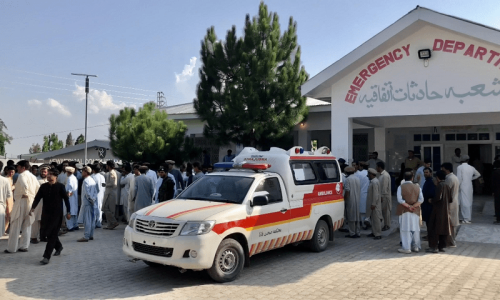
Unfortunately, the district has again witnessed bloodshed, with several deaths and injuries reported after a tribal clash erupted on Friday — apparently, the result of a quarrel between the residents of two settlements over a disputed parcel of land in upper Kurram.
The violence has continued since. In fact, there are numerous land disputes — some dating to the pre-partition era — among tribes in the district. Worryingly, tribal and communal disputes often take on a sectarian colour in Kurram.
Even more distressing are the claims of some local residents that terrorists of two banned groups, the TTP and Lashkar-i-Jhangvi, have been involved in the latest episode of bloodletting.
The authorities face two major challenges in the current situation: to end the violence and prevent land disputes from descending into bloodshed, and to ensure that sectarian narratives, amplified by social media, do not inflame the situation, especially as Muharram approaches.
Firstly, Kurram itself must be pacified and calm restored, as a humanitarian situation is developing, with people facing shortages of food, fuel and medicine due to the clashes. This is the second major outbreak of tribal/sectarian violence this year; earlier in May, the region experienced a bout of bloodshed as several people, including teachers, were killed in targeted attacks.
That episode was also linked to land disputes. After calm returns, the land commission formed by the KP government should address the land disputes that are at the heart of these clashes judiciously, while the parties involved must abide by their commitments, with violators penalised by the state.
Secondly, the situation requires the security forces to keep a vigilant eye on the movement of banned sectarian militants in this sensitive region. If these elements are not checked, they can further endanger Kurram’s fragile communal peace.
With Muharram just a week away, the state as well as the clergy need to put in extra effort to prevent the Kurram clashes from being exploited by vested interests that want to fan sectarian hatred across the country.
In particular, social media accounts that promote violence and hatred, and spread unfounded rumours likely to fuel violence in society, should be monitored. Secondly, clergymen from both sects need to use the pulpit to defuse tensions, instead of fanning the flames.
Kurram and its surrounding areas have been witnessing a tense calm for the last decade or so after several years of bloodshed. The local people should not be abandoned again by the state, left to deal with the escalating sectarian violence on their own.
Published in Dawn, July 12th, 2023