Debt-laden Africa charged ‘extortionate’ rates: UN

ADDIS ABABA: African countries are getting a raw deal from the international financial system which charges them “extortionate” interest rates, the UN chief said on Saturday, as he announced $250 million in crisis funding, including for famine risk on the continent.
The United Nations Secretary-General Antonio Guterres wants far-reaching reforms to the structure of international finance to serve the needs of developing countries more efficiently, he told the opening ceremony of the annual African Union summit in Ethiopia.
“The global financial system routinely denies (developing countries) debt relief and concessional financing while charging extortionate interest rates,” he said.
The UN will spend $250m from its emergency fund, the largest ever allocation, to respond to several crises around the world, including helping communities at risk of famine in Africa, Guterres later told a news briefing.
The coronavirus pandemic pushed many poor countries into debt distress as they were expected to continue servicing their obligations in spite of the massive shock to their finances.
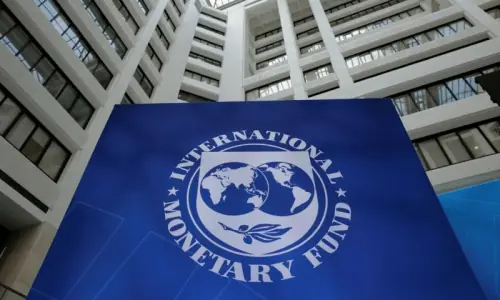
Public debt ratios in sub-Saharan Africa are at their highest in more than two decades, the International Monetary Fund said last year.
Governments on the continent, including Ethiopia, sought debt restructuring deals under an IMF programme to help them navigate the crisis, but conclusion of the process has been delayed.
Others, which have not sought to restructure their debt, like Kenya, have seen their debt sustainability indicators worsen after the pandemic hit their finances.
“African countries cannot... climb the development ladder with one hand tied behind their backs,” Guterres said.
Ethiopia’s Prime Minister Abiy Ahmed echoed the call.
“Nearly all of us want to put our economies back on a growth trajectory but this will not happen without sufficient restructuring to make our external debt sustainable,” he said.
Published in Dawn, February 19th, 2023