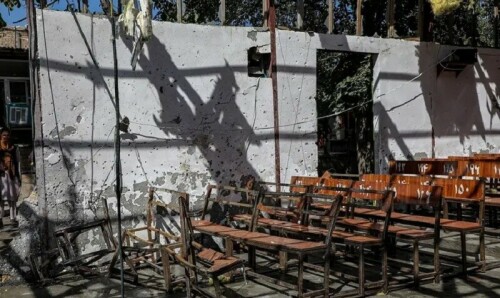
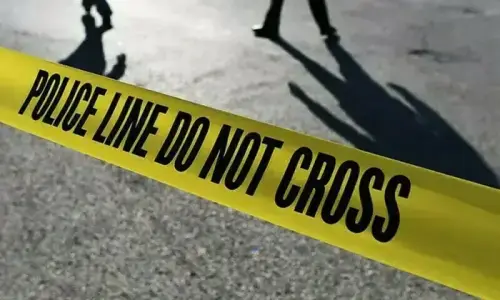
A bombing in a mosque on the grounds of Afghanistan’s interior ministry in Kabul killed four people and wounded 25 others on Wednesday, an official said, with injured patients claiming it was a suicide attack.
Since the Taliban returned to power last August they have made security a priority but attacks have ramped up in recent months, with officials trying to downplay them.
Interior ministry spokesman Abdul Nafi Takor said an explosion occurred at a mosque of the ministry when worshippers were offering mid-day prayers.
“Four worshippers were martyred and 25 others were injured,” he said in a statement to reporters, adding that an investigation was being conducted.
Takor had earlier said the explosion had occurred at a mosque located “at a distance from the interior ministry”.
Italian non-governmental organisation Emergency, which operates a hospital in Kabul, said it had received 20 male patients, two “dead on arrival”, following “a bomb attack in a mosque at the interior ministry”.
“The number of injured people arriving increased and they reported seeing a man detonate a device,” said Emergency country director Dejan Panic.
“It was a suicide attack,” he added in a statement, quoting patients.
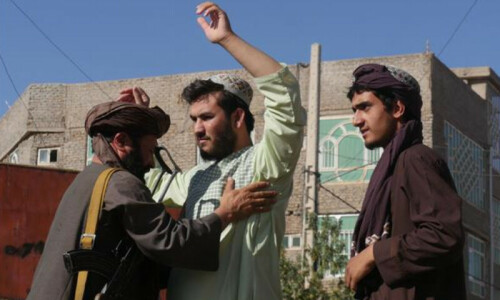
On Wednesday afternoon the Emergency hospital was closely guarded by Taliban forces, who were also heavily deployed around the scene of the attack.
The blast comes after a suicide bombing on Friday killed 53 people in a Kabul classroom, including 46 girls and women, according to a UN death toll.
Witnesses said the attacker blew himself up in the women’s section of a gender-segregated classroom of a study hall in the Dasht-e-Barchi neighbourhood — an enclave of the historically oppressed Shia Hazara community.
No group has so far claimed responsibility for that attack, which Taliban authorities said claimed only 25 lives.
However, the militant Islamic State group which considers Shia heretics has carried out several deadly attacks in the same area targeting girls, schools and mosques.
The Taliban were also accused of plotting attacks on the Hazara community as they waged a two-decade insurgency against the old US-led regime which collapsed last August.
The hardcore group’s return to power in Afghanistan last year brought an end to that insurgency and a dramatic decline in violence.
The Taliban movement — made up primarily of ethnic Pakhtuns — has pledged to protect minorities and clamp down on security threats.