China removes pangolin from traditional medicine list

Published June 10, 2020
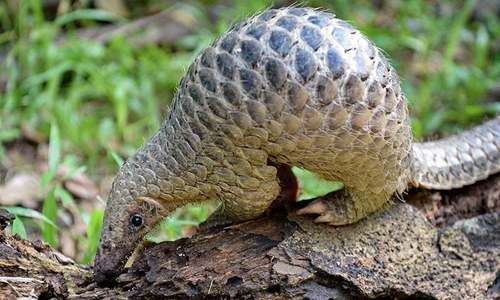
This file picture taken on July 22, 2019 shows a Formosan pangolin at the Taipei Zoo. — AFP

BEIJING: China has removed pangolin parts from its official list of traditional medicines, state media reported on Tuesday, days after increasing legal protections on the endangered animal.

Pangolins were left out of the official Chinese Pharmacopoeia this year, along with substances including a pill formulated with bat faeces, the state-owned Health Times reported.

The pangolin, the world’s most heavily trafficked mammal, is thought by some scientists to be the possible host of the novel coronavirus that emerged at a market in China’s Wuhan city last year.

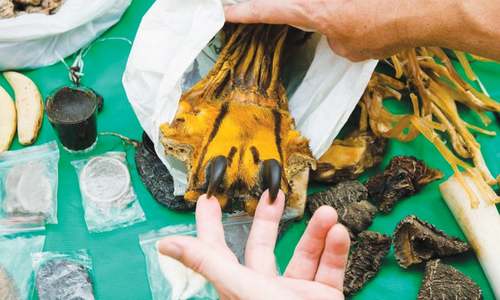
Its body parts fetch a high price on the black market as they are commonly used in traditional Chinese medicine, although scientists say they have no therapeutic value.

Published in Dawn, June 10th, 2020

Opinion

Editorial

Pakistan’s moment
Updated 20 Jun, 2026

Pakistan’s moment

Pakistan’s diplomats are second to none, and if these states seek to engage this country constructively, a new modus vivendi for the subcontinent can be reached.
Menacing water plans
20 Jun, 2026

Menacing water plans

IN April last year, India suspended the decades-old Indus Waters Treaty, which contains no provision allowing it to...
World Refugee Day
20 Jun, 2026

World Refugee Day

WORLD Refugee Day, observed today around the globe, marks 75 years since the adoption of the 1951 convention ...
Digital deal
19 Jun, 2026

Digital deal

THINGS have moved rapidly where the Iran-US memorandum of understanding is concerned. While the physical document ...
Failing the public
19 Jun, 2026

Failing the public

WHETHER it is Sindh’s struggle to secure clean drinking water or Balochistan’s difficulty in improving the...
Crushed lives
19 Jun, 2026

Crushed lives

COURTS and commissions have often been up in arms over the health and ecological hazards associated with...