

Oil crashes after Saudi Arabia declares price war amid coronavirus
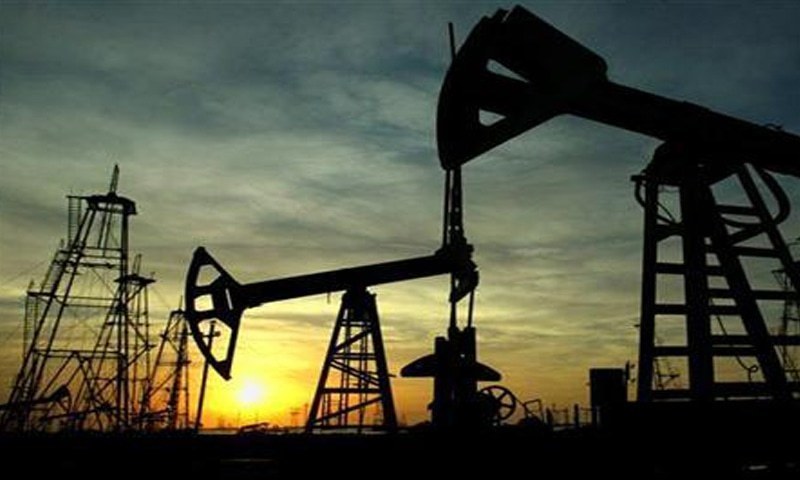

Losing more than a quarter of their value, oil prices were set for their biggest one-day decline in 29 years on Monday, after Saudi Arabia ignited a price war in a market already reeling from the impact of the coronavirus on global demand.
Saudi Arabia slashed its official selling prices and made plans to ramp up crude output next month after Russia balked at making a further steep output cut proposed by the Organization of Petroleum Exporting Countries (Opec) to stabilise oil markets.
Brent crude futures were down $11.81, or 26pc, at $33.46 a barrel by 0650 GMT, after earlier dropping to $31.02, their lowest since February 12, 2016. Brent futures are on track for their biggest daily decline since January 17, 1991, when prices dropped at the start of the first Gulf War, as the market had been expecting the war for months.
US West Texas Intermediate (WTI) crude fell by $11.48, or 28pc, to $29.80 a barrel, after touching $27.34, also the lowest since Feb 12, 2016. The US benchmark was potentially heading for its biggest decline on record, surpassing a 33pc fall in January 1991.
“The timing of this lower price environment should be limited to a few months unless this whole virus impact on global market and consumer confidence triggers the next recession,” said Keith Barnett, senior vice president strategic analysis at ARM Energy in Houston.
The disintegration of the grouping called Opec+ — made up of Opec plus other producers including Russia — ends more than three years of cooperation to support the market.
Saudi Arabia plans to boost its crude output above 10 million barrels per day (bpd) in April after the current deal to curb production expires at the end of March, two sources told Reuters on Sunday.
The world’s biggest oil exporter is attempting to punish Russia, the world’s second-largest producer, for not supporting the production cuts proposed last week by Opec.
Saudi Arabia, Russia and other major producers last battled for market share like this between 2014 and 2016 to try to squeeze out production from the United States, which has grown to become the world’s biggest oil producer as flows from shale oil fields doubled over the last decade.
“The prognosis for the oil market is even more dire than in November 2014, when such a price war last started, as it comes to a head with the significant collapse in oil demand due to the coronavirus,” Goldman Sachs said.
Saudi Arabia over the weekend cut its official selling prices for April for all crude grades to all destinations by between $6 and $8 a barrel.
Virus impacts demand
Meanwhile, China’s efforts to curtail the coronavirus outbreak has disrupted the world’s second-largest economy and curtailed shipments to the biggest oil importer.
And the spread of the virus to other major economies such as Italy and South Korea and the growing number of cases in the United States have increased concerns that oil demand will slump this year.
Major banks such as Morgan Stanley and Goldman Sachs have cut their demand growth forecasts, with Morgan Stanley predicting China will have zero demand growth in 2020. Goldman sees a contraction of 150,000 bpd in global demand.
Goldman Sachs cut its forecast for Brent to $30 for the second and third quarters of 2020.
In other markets, the dollar was down sharply against the yen, Asian stock markets were set for big falls, and gold rose to its highest since 2013 as investors fled to safe havens.




























