Saudi sentences 5 to death for Jamal Khashoggi’s killing

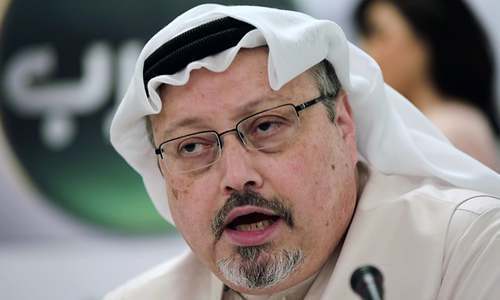
A court in Saudi Arabia on Monday sentenced five people to death for the killing of Washington Post columnist Jamal Khashoggi, who was murdered in the Saudi Consulate in Istanbul last year by a team of Saudi agents.
Saudi Arabia’s state-run Al-Ekhbariya TV channel reported that three others were sentenced to prison. All can appeal the verdicts.
According to a statement issued by the Saudi public prosecutor shared by Arab News, 11 people had been indicted by the court out of which three were acquitted. The court handed death penalties to five people for "committing and directly participating in the murder of the victim", while three people were convicted for "their role in covering up the crime and violating the law" and were handed different sentences amounting to a total of 24 years in prison.
The statement said that 31 people were included in the investigation of the case, out of which 21 were arrested, while 10 had been called for questioning as the authorities did not have grounds to detain them.
Saudi Crown Prince Mohammed bin Salman drew international condemnation for the killing because several Saudi agents involved worked directly for him.
After initial denials, the official Saudi narrative blamed the murder on rogue operatives. The public prosecutor said the then-deputy intelligence chief ordered the repatriation of Khashoggi, a royal insider who became an outspoken critic, but the lead negotiator ordered him killed after discussions for his return failed.
The kingdom has carried out the trials of the accused in near-total secrecy.
Khashoggi murder
On October 2, 2018, Khashoggi had arrived at the consulate in Istanbul seeking documents for his upcoming wedding, when Saudi officials inside the building overpowered and killed him. Initially, he was said to have gone missing, however, Turkish authorities denied it and said they had recordings that prove he was murdered inside the consulate by Saudi officials.
Two weeks after his disappearance, under increasing global pressure, Saudi Arabia admitted that the dissident journalist was killed, claiming that his death was a result of a "fist fight".
Ater evidence continued to emerge on the contrary, the Saudi prosecutor later said that Khashoggi's body was dismembered and removed from the building and his remains were not found.