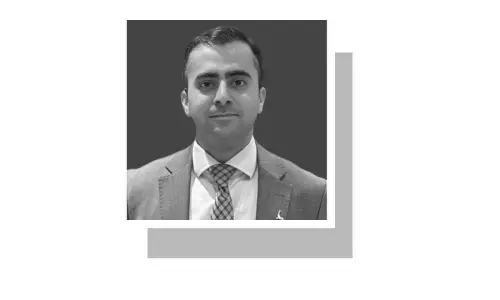
Drug screening of students, teachers to be carried out: minister

ISLAMABAD: The government has decided to conduct drug screening of students and faculty members in an attempt to curb the rising trend of drug abuse in educational institutions.
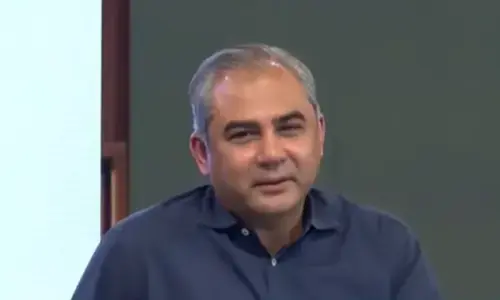
Minister for Narcotics Control and Safron Shehryar Khan Afridi said the government was consulting private and public-sector educational institutions to ensure drug screening of students, faculty members and staff.
Addressing a meeting of owners of private schools on Friday, Mr Afridi said under the vision of Prime Minister Imran Khan the government was working on making a drug-free Pakistan.
“Educators are chosen for educating the new generations. After the mother’s lap, schools are the institutions where children are educated, groomed and trained to transform them into productive citizens.”
He said school owners need to employ the best practices of drugs control in their institutions.
“We have developed a database of international drug and terrorism criminals using over 250 sources. We have to take effective, proactive initiatives to choke drugs trade,” he added.
The minister said private schools should invest in developing rehabilitation centres for treatment of addicts of their schools under Corporate Social Responsibility (CSR).
“We will discourage practice of expelling students falling to drugs. ANF has developed its own rehabilitation centres in Islamabad, Karachi and Sukkur and uses its own resources.
“We are framing a new law under which drug rehabilitation centres in government hospitals would also be set up,” the minister added.
He said last year a survey had found that 75pc female students and 45pc male students in Islamabad’s schools frequently used drugs.
A report compiled by a non-governmental organisation and shared with the relevant committees of parliament about three years ago had claimed that 44 to 53pc students of the main private schools in the federal capital were addicted to various kinds of drugs.
However, the report was immediately rejected by the then minister for Capital Administration and Development, Dr Tariq Fazal Chaudhry, and his subordinate education bodies.
The private schools had also rejected the study terming it “dubious” and “outlandish” as the methodology and data was not shared with anyone.
Last year, reports of an alarming increase in the trend of drug abuse in educational institutions had compelled the then chief justice of Pakistan, Mian Saqib Nisar, to take up the issue for hearing.
Heading a three-member bench of the apex court, in December last year he had sought reports from the provincial governments.
He had remarked that at least three deaths were reported due to drug consumption by students. The top judge also ordered the launch of an awareness campaign against the illegal use of drugs.
“Who is supplying drugs to these children,” he had asked.
During a hearing on Nov 30 the apex court bench, headed by the then CJP, had directed the federal government and provinces to submit monthly progress reports against the use of narcotics in educational institutions.
Published in Dawn, October 5th, 2019