Commission set up to revise Islamabad master plan yet to hold introductory meeting


 0
0
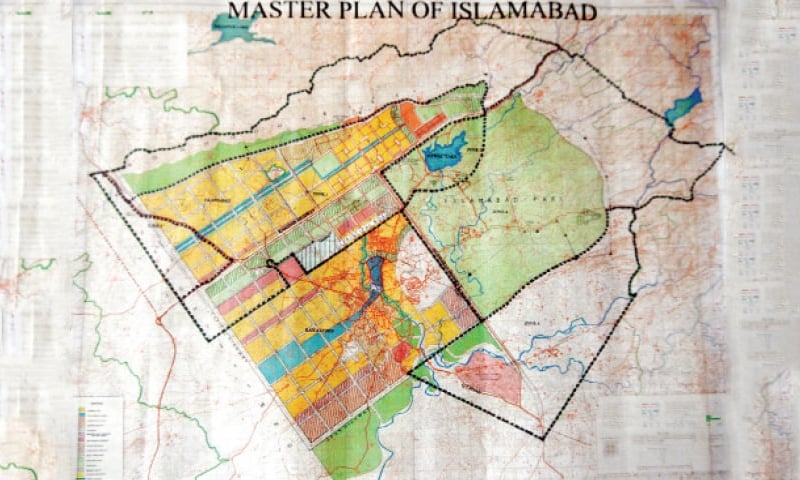

ISLAMABAD: Nearly a month after it was formed, the commission to review Islamabad’s master plan has yet to start working, raising the question of whether it will be able to complete its task within the stipulated six months.
The 12-member commission was formed on Dec 20 last year, but sources said an introductory meeting has not been convinced so far.
A source in the Capital Development Authority, who asked not to be named, said nearly a month – 25 days – has passed, but an initial meeting of the commission has not been called.
According to a notification issued by the Ministry of Interior on Dec 28, the chairman of the CDA will act as the convenor of the commission until someone from the private sector is appointment CDA chairman.
The current CDA chairman, Afzal Latif, is on leave for four months, and Islamabad Chief Commissioner Amer Ali Ahmed has been given additional charge of the office chairman in his absence.
Mr Ahmed was appointed on Thursday but has yet to take charge because his new assignment has not been notified.
MNA Ali Awan, adviser to the prime minister on CDA affairs, told Dawn he would look into the issue.
“The revision of Islamabad’s master plan is highly imported as this work was not carried out in the past. We will check why the first meeting has not even been called yet,” he said.
The original developers the capital’s master plan had recommended revising the plan every 20 years, but successive governments never made any comprehensive revisions. Instead, a number of selective amendments were made from time to time, mostly to benefit specific people.
The lack of revisions has resulted in poor planning and the proliferation of illegal construction.
The commission consists of experts tasked with revising the master plan for the next 20 years – from 2020 to 2040. It will also give its perspective on the regularisation of illegal construction in the capital.
The commission’s terms of reference (ToR) state that it will keep in mind the increased participation of the private sector in health and education when recommending how to resolve this issue.
There are currently more than 300 private schools operating in the city’s residential sectors, along with a large number of healthcare facilities, in violation of CDA by-laws.
The commission will also make proposals for short, medium and long-term development and may amend its ToRs with the government’s approval.
On Sunday, the Islamabad Guest House Association also demanded the government look into the guesthouse issue. The association’s secretary general, Dr Osman Qazi Khan, said that the commission should look into bread and breakfasts in designated areas.
Published in Dawn, January 14th, 2019