0
0
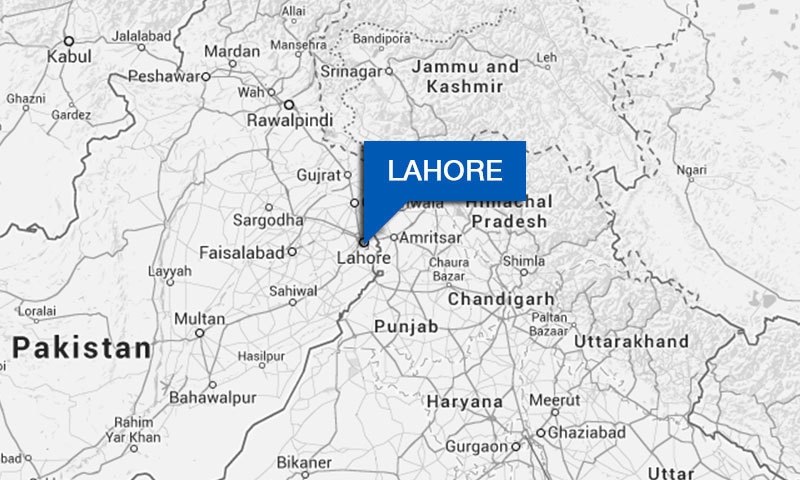
LAHORE: The health department has sent an “amended draft of the Punjab Blood Transfusion Safety Act 2015” to the chief minister to remove deficiencies which have made the Punjab Blood Transfusion Authority (PBTA) almost a dysfunctional one.
Surprisingly, the authorities have proposed to the government to make the Punjab Blood Transfusion Authority (PBTA) attached department of the health department instead of declaring it as an autonomous institute.
It was said to be the third serious attempt of the health department to define the status of the PBTA since its establishment under the Safe Blood Transfusion Ordinance 1999, an official who is privy to the information told Dawn.
A year ago, the department had moved a summary to the chief minister for declaring the PBTA an autonomous institute in order to improve its functioning, he said.
Authority to ‘be attached dept with no autonomy’
A month ago, in another summary, the CM was requested to consider the authority as attached department of the health department. However, both the proposals were rejected.
Later, the PBTA defined itself as a regulatory body but its status remained still controversial, the official said.
Now in the third attempt, the health department has come up with the amended draft of the act in order to sensitise the government of the scale of the issue, categorically stating that the authority was in dire need of ultimate powers to take the culprits to task.
“Since its establishment, the PBTA was neither referred nor incorporated/reflected in the rules of business in any capacity,” the department made shocking revelations in the draft. As a result, it could not be operationalised.
“In view of the above, the health department proposes that necessary amendment to the Rules of Business may be approved to include PBTA as attached department to function under the health department,” the draft reads. A copy of the draft is available with Dawn.
A high level legal/technical committee was constituted to prepare the draft act, repealing the ordinance that was earlier promulgated during 1999. The committee held a number of consultative meetings and sent the draft to the chief minister for approval through the law department.
It was proposed that in order to address deficiencies there was need to formulate the act through which safe blood transfusion services could be provided to the community.
The provisions of the draft act will be executed through the Punjab Blood Transfusion Authority which has already been notified,” the draft documents said.
The health department proposed following key amendments:
The authority is no longer defined as an ‘autonomous body’ but as a ‘regulatory body’.
The proposal for Blood Safety Courts has been deleted and is replaced by ‘any other courts as notified by the government’ to allow for drug courts to take up this responsibility.
The licensing board has been given the mandate to evaluate all inspection reports, and to refer serious offences to blood safety courts, or to seal blood banks and award other minor penalties (fine up to Rs100,000, sealing of premises, confiscation of equipment, issuance of adverse findings report, seizure of blood components violating standards) directly through inspectors.
The PBTA Secretariat has been added to the proposed structure, which will include a technical expert, a law officer, a public health director, and any other officers/experts as the government may deem appropriate.
Inspectors are to be nominated from each district.
Comprising 16 members, the objective of establishment of the PBTA was to regulate the blood transfusion services to make available safe blood, free from hepatitis B and C, AIDS, malaria and syphilis, etc. to the need of patients.
The key issue in blood transfusion sector remains lack of governance and regulatory setup. The health department proposed that in order to guarantee the provision of safe and effective blood and blood components to patients, the chief minister may like to approve the draft of “The Punjab Blood Transfusion Safety Act 2015”.
Published in Dawn, August 12th, 2015
On a mobile phone? Get the Dawn Mobile App: Apple Store | Google Play