0
0
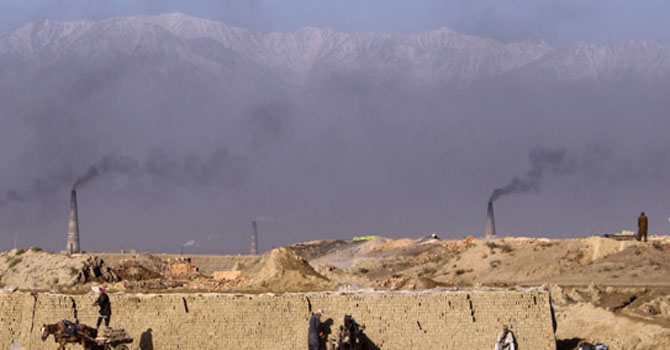
KABUL: Seven energy firms are likely to compete with Exxon Mobil Corp for the right to explore oil and gas blocks in northern Afghanistan, the country's Mining Ministry said in a statement.
Dubai-based Dragon Oil, Kuwait Energy, India's ONGC Videsh, Brazil's Petra Energia, Pakistan Petroleum , Thailand's PTT and Turkey's TPAO join Exxon Mobil in their intention to bid by the October deadline.
Afghanistan is seeking bidders for the exploration, development and production of oil and gas in six blocks in the western portion of the Afghan-Tajik Basin in the country's north, which the Ministry estimates contains several hundred million barrels of oil equivalent.
Thirty years of war have prevented exploration of Afghanistan's energy and mineral resources, of which very little is known. The Soviet Union, vying for influence in the region in the lead-up to its 1979 invasion, conducted primary research.
Ordinary Afghans and officials alike have said global interest in their natural resources, which the Economy Ministry says could produce $12 billion annually in government revenue, could help the country achieve stability after most foreign troops leave in 2014.
Widespread graft, a weak rule of law and poor governance pose potential headaches for foreign investors and energy companies looking to explore in Afghanistan.
Interest from oil majors such as Exxon Mobil is a good sign, however.
“Exxon is so big and they're in so many countries that they can afford to say no. So they don't appear unless they think they can make it work,” said Brigadier General Ricky Waddell, head of NATO's anti-corruption task force in Afghanistan.
The Mining Ministry has said it expects the tender process for the blocks in the Afghan-Tajik Basin to be completed by early next year, when the contracts will be awarded. Afghanistan signed a deal late last year with China National Petroleum Corp (CNPC) for the development of oil blocks in the Amu Darya basin, also in the north.
But highlighting the difficulties of exploration in Afghanistan, that project has met fierce resistance from militia loyal to former warlord and army chief of staff General Abdul Rashid Dostum.
Government officials said Dostum demanded a share of the proceeds and sent armed men to intimidate the Chinese engineers on the ground, a claim that Dostum denied.