2
2
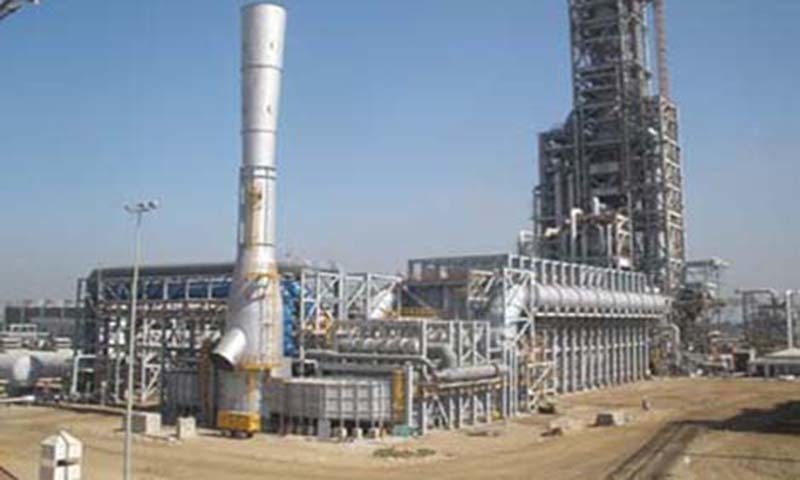

WHO are we to believe? The government tells us that the economy is on the growth path while industry associations are talking of plant closures and plummeting investment.
The IMF has weighed in on the government’s behalf, saying that the targeted growth rate of 4.3pc is likely to be met this fiscal year.
The finance minister is touting this endorsement, and has gone a step further in reported comments to say they are aiming for a growth rate as high as 5.1pc this fiscal year.
Further, he has pointed to data showing that large-scale manufacturing grew by 5.3pc in August, compared to 4.6pc last year — a meaningful jump. Credit to the private sector, a key indicator for the pace of industrial activity, is “expanding at a robust pace” says the IMF, and the government is only too keen to agree. So far so good.
But if we turn towards industry circles we will hear a very different take on the situation. The largest trade and industry bodies, such as FPCCI and APTMA, have expressed deep concern about the state of affairs in industry, with the latter saying that 35pc of the county’s textile industry has already closed down.
Exports are down by 10pc from the corresponding period last year, as is investment. The OICCI, which represents foreign investors, has also reported a steep decline in investor confidence on the manufacturing side between March and September this year. Whatever good news OICCI had to share on the confidence front came from services, while manufacturing is painting a fairly dour outlook at the moment.
So what is going on? How come the government and the IMF are talking about an uptick in industrial activity while industry representatives are talking of plant closures and collapsing confidence?
How have the government and the IMF worked out that private-sector credit offtake is “expanding at a robust pace” when it actually dropped to Rs4.8bn between July and Oct 24, down from Rs32bn in the same period last year?
It is true that industry representatives have a tendency to highlight only their problems, but the government has a tendency to err by painting everything in rosy colours. So who are we to believe? There was a time when we could look towards the IMF and its periodic assessments of the economy for an independent view, but clearly that is no longer true.
All eyes will now be trained on the State Bank to set the record straight in its next annual report due in December. One only hopes that the bank will not disappoint and give us a credible picture of what exactly is happening in the manufacturing sector at this crucial juncture when the government attention is returning to the economy as the serious challenge to its legitimacy recedes.
Published in Dawn, November 13th, 2014