0
0


ALGIERS: Sixty years on, the war of independence from France remains a defining moment for Algeria and its elite, like 79-year-old Zohra Drif, a senator who once set off a bomb that left three people dead.
On the night of Nov 1, 1954, known as Toussaint Rouge (Red All Saints Day) because it coincided with the Catholic festival, some 30 explosions rocked government targets in the colony which had been under French occupation for 132 years, leaving seven people dead.
“When my brother arrived with the newspapers, he was shouting ‘Tartgou-ha! Tartgou-ha!’ (It’s started!),” said Drif, now deputy speaker of the Algerian upper house.
“We understood straight away. It was the start of the revolution,” she said.
At the time, Drif was a law student living with her younger brother and parents in Vialar, 280 kilometres (170 miles) south-west of Algiers.
 |
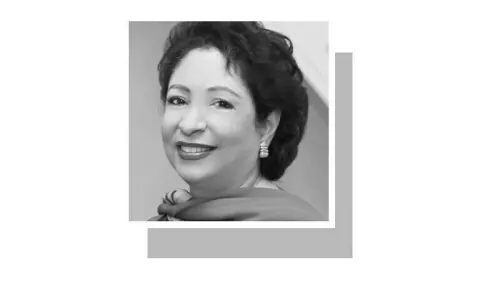
| ZOHRA Drif was captured by the French on Sept 24, 1957 for setting off a bomb that left three people dead. She is now deputy speaker of the Algerian upper house.—AFP |
“Not only were we not surprised, but right away we said it was the start of the revolution,” the senator recalled, seated in her office facing the port of Algiers.
The teenager’s only thought was to join the revolutionaries, but “it took us a year and a half to be accepted into the National Liberation Front (FLN)” fighting the colonial power, she said.
She underwent secret training with instructors whose names were never used and was then tasked with helping families of FLN fighters who had gone underground or been killed in action.
Drif was eager to join the fighters and argued that with her European looks she aroused less suspicion in target areas where French settlers lived.
On Sept 30, 1956, she planted a bomb in Milk Bar, a fashionable venue on the capital’s Isly Street, in an attack that left three dead and a dozen others wounded.
“I was wanted and had to go into hiding. The French infiltrated our group and that’s how they managed to arrest me” 12 months later, she said.
 |
| ZOHRA Drif was captured by the French on Sept 24, 1957 for setting off a bomb that left three people dead. She is now deputy speaker of the Algerian upper house.—AFP |
Tried and sentenced to 20 years of hard labour, Drif was first detained in Algiers, then transferred to prisons in France until the North African state’s independence in 1962, when she was feted on her return.
The conflict cost the lives of 1.5 million “martyrs”, according to Algerian authorities. French historians refer to 500,000 dead.
The war of independence still forms the core of the legitimacy of those in power in present-day Algeria, even if its influence is starting to wane.
The FLN accounts for the country’s top leaders, including ailing President Abdelaziz Bouteflika, in power since 1999.
Now aged 77, Bouteflika is a war veteran who became Algeria’s youngest minister at the age of 25.
Under the constitution, presidential candidates born before November 1934, and therefore aged at least 20 when war broke out, must show they took part in the revolt.
If they were born at a later date, they must prove their parents did not serve with Algerian auxiliaries who collaborated with the French.
“In the history of independent Algeria, the starting point and the ultimate point of reference is the struggle for independence,” academic Karim Amellal said.
Until 1989, the FLN was the country’s sole legal party, along the lines of the former Soviet system. Today it holds the most seats in parliament. But experts say the war’s influence won’t last forever.
“The more time that passes since the war of liberation, the more this [revolutionary] legitimacy is fading,” Amellal said.
Published in Dawn, November 1st , 2014