0
0


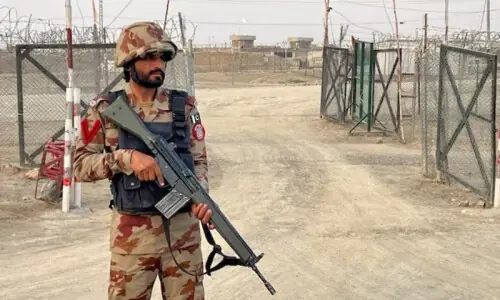
WASHINGTON: Defence Secretary Leon Panetta all but ruled out an apology over an air strike last year that killed 24 Pakistani soldiers and badly set back efforts to improve US-Pakistani ties, saying it was “time to move on.”
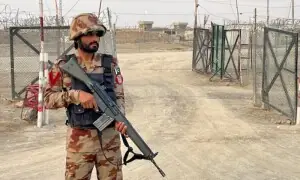
Pakistan banned trucks from carrying Nato supplies into neighboring Afghanistan after the air strike, a move that costs US taxpayers $100 million a month given the need to use more expensive, longer routes to the north.
To re-open the routes, Pakistan wants to impose high tariffs on Nato supplies and Foreign Minister Hina Rabbani Khar said last week that Islamabad is still seeking an unconditional apology.
But Panetta, in an interview with Reuters on Thursday, suggested that past expressions of regret and condolences were enough and held out hope that troubled talks on re-opening Pakistani supply routes for the Nato war effort could succeed anyway.
Asked whether he would oppose any further apology, Panetta said: “We've made clear what our position is, and I think it's time to move on.”
“If we keep going back to the past, if we keep beating up each other based on past differences, we'll never get anywhere,” he said.
“The time now is to move forward with this relationship, on the (supply routes), on the safe havens, on dealing with terrorism - on dealing with the issues that frankly both of us are concerned about,” Panetta said.
But the supply line negotiations have become wrapped in a larger debate within Pakistan about what it sees as US violations of its sovereignty, which includes everything from covert CIA drone strikes to the US incursion into Pakistan last year to kill al Qaeda leader Osama bin Laden.
Meanwhile, US frustration about Pakistani safe havens being used by militants attacking Nato forces in Afghanistan has become more pronounced as the US military starts winding down the war effort in Afghanistan.
During a trip to Kabul, Panetta, using unusually harsh language, said the United States was reaching the limits of its patience with Pakistan because of the safe havens it offered to insurgents fighting in neighboring Afghanistan.
But in his interview with Reuters, he appeared to temper those remarks, saying: “It's a complicated and frustrating relationship. But it's a necessary relationship and one that we've got to continue to work at on both sides.”
At the same time, Panetta acknowledged pressures building in Congress to put conditions on aid to Pakistan.
“It's not something that we're pushing in the Congress. But the reality is that the more problems we have, the more difficult it's going to be in the Congress to continue to provide assistance without conditions,” Panetta said.
He also acknowledged the likelihood that a protracted cut-off of the supply routes, costing Americans millions of dollars a day, would ultimately impact aid to Pakistan as well.