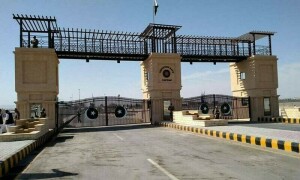
CHAMAN: Pakistan will next month reactivate a biometric computerised system to screen all travellers crossing a key Afghan border terminal, Interior Minister Rehman Malik said Wednesday.
Pakistan installed the system on a trial basis in January 2007 to try and control illegal cross-border traffic at Chaman, 100 kilometres from Quetta, the main town in insurgency-wracked Balochistan province.
But on the second day, thousands of Afghan tribesmen attacked the border gates, forcing authorities to close the crossing. The protest was against the biometric system, and a Pakistani plan to fence and mine parts of the border.
Further protests saw Pakistan to shelve the system.
“We have decided to reactivate the biometric system. I will inaugurate it on November 30, next month,” Malik told reporters in Chaman.
“Both Pakistan and Afghanistan need this system. It is necessary to keep an eye on everyone crossing the border and to stop illegal immigrants,” he added.
The system is designed to replace the previous permit system, by issuing border passes to people after recording their fingerprints, retinas or facial patterns for identification.
The porous Afghan-Pakistani border separates families and tribesmen, but also allows Taliban and Al-Qaeda-linked militants to move with ease in their fight against US soldiers in Afghanistan and government forces in Pakistan.
Afghanistan and Pakistan have for months traded accusations of responsibility for deadly cross-border attacks further north than Chaman.
Balochistan also suffers a regional separatist insurgency and sectarian violence involving Sunni and Shiite Muslim extremists.