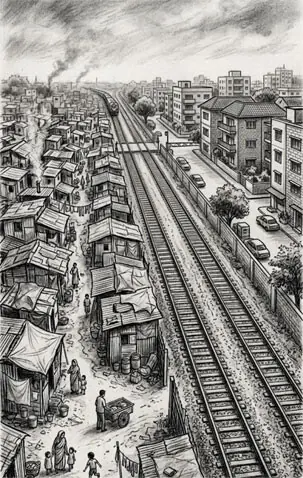
ONE wonders why we have a country with two sets of rules. Let me explain. The Main Line-1 (ML-1) is the existing railway line from Karachi to Peshawar. The track is already functional. Trains run on it every day without any problem. There is no blockage anywhere. Even then, Pakistan Railways wants to take more land along 480kms of the track between Karachi and Rohri. This is being done in the name of ‘right of way’, and the land will come from 22 residential areas where people mostly from poor and working-class communities live. Earlier, the project director and other officials had clearly reported in writing that the track was already functional and did not need any extra land. They had also clarified that there was no need for any relocation plan.
Now, reports suggest that the federal government plans to restart the ‘expansion’ project for which a new ‘right of way’ survey has been initiated with the help of a private contractor. Since there is no plan to change the path of the existing track, one fails to understand the confusion regarding the additional ‘safety space’ that is being targeted.
In Karachi, about 80 per cent of the land along the railway track is in developed and leased areas, while only 20pc is made up of informal settlements. Compensation may be different for these areas, but the required distance for ‘right of way’ should be the same for everyone. If more land is needed in poor areas, then the same rule should apply to affluent and developed areas. Surveys should be done there, too, and people should be compensated under the law. There is no justification for having two different sets of rules unless, of course, the intention is to grab more land from informal settlements.
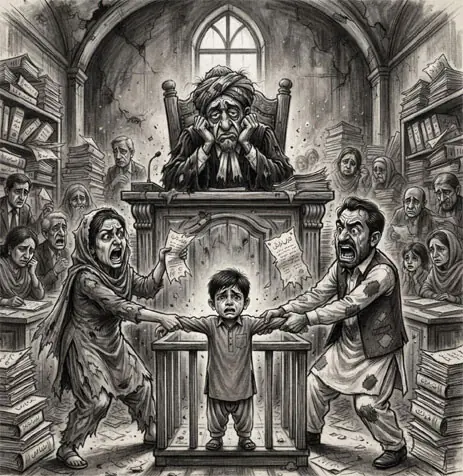
According to the Constitution, it is the state’s responsibility to provide housing to its citizens. If people from the affected areas lose their homes, the government must provide them with proper relocation and support. When workers lose their home, they do not just lose shelter; they lose their job, their children’s education, their social connections. Their family life gets seriously affected.
All that the people are asking is this: the ‘right of way’ for the ML-1 railway track should be the same in areas inhabited by both affluent and poor communities. And, anyone affected should be given proper housing and support before being moved. Homes should be ready before people are forced to leave. This is not just a Karachi issue.
In cities across Pakistan, both developed areas and informal settlements exist all along railway tracks. The law should be equal for everyone. Unfair treatment and double standards lead to injustice.
Seema Liaquat
Acting Director
Urban Resource Centre Karachi
Published in Dawn, October 19th, 2026