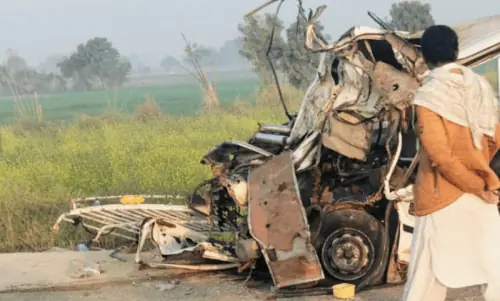
1- Jan 1949 to Apr 1951 — Punjab
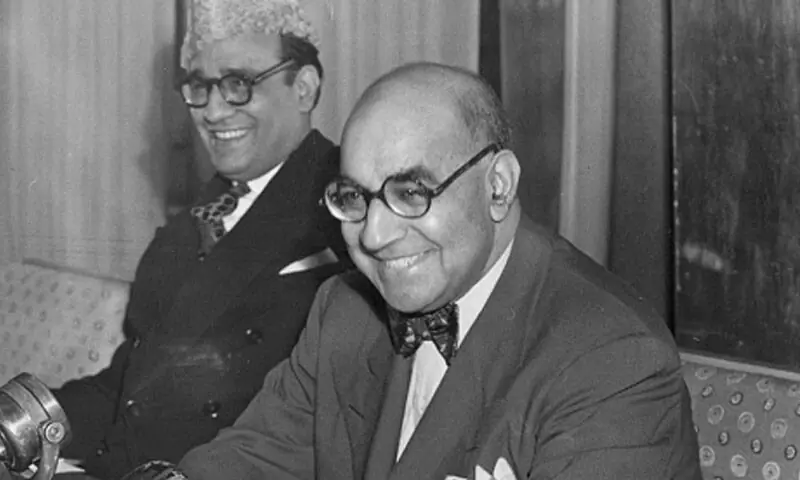
THE first governor’s rule was imposed within a short span of the country’s establishment, in the heartland of Punjab.
In January 1949, then Prime Minister Liaquat Ali Khan visited Lahore, where Chief Minister Nawab Mamdot told him that he had earned the confidence of a majority of the MPAs in the provincial assembly. The development had come about due to a disagreement between Mamdot and former CM Mumtaz Daultana.
However, Liaquat Ali Khan noted factual discrepancies in the document shown by Mr Mamdot. He dismissed the Mamdot government, dissolved the assembly, and imposed governor’s rule in the province.
2- Dec 1951 to May 1953 — Sindh
A governor’s rule of one year and 144 days lasted in Sindh after CM Muhammad Ayub Khuhro was dismissed amid allegations of corruption and maladministration.
Mian Aminuddin administered the province directly under governor’s rule, which ended following the 1953 provincial elections, after which Pirzada Abdus Sattar of the Pakistan Muslim League took over.
The federal government on Sunday imposed an emergency and governor’s rule in Khyber Pakhtunkhwa following the president’s approval of the recommendations by the federal cabinet. This is not the first time the Centre has used its powers to send a provincial government packing. Here’s a brief history of governor’s rule in the country.
3- Feb-Apr, 1973 — Balochistan
On Feb 14, 1973, PM Zulfikar Ali Bhutto dismissed the Balochistan provincial government led by CM Sardar Attaullah Mengal and removed Governor Mir Ghaus Bakhsh Bizenjo, citing alleged involvement in unrest and the discovery of weapons at the Iraqi embassy in Islamabad.
The next day, Nawab Akbar Khan Bugti was appointed as the new governor of Balochistan, and direct central/governor’s rule was enforced. The federal government also subsequently deployed the Pakistan Army under Gen Tikka Khan to conduct operations in the mountainous and tribal regions, particularly targeting areas like Lasbela and Marri.
The governor’s rule ended in late April the same year, paving the way for Jam Ghulam Qadir Khan to form a new provincial ministry.
4- February-May 1975 — KP
Governor’s rule was imposed in Khyber Pakhtunkhwa (then known as the NWFP) from Feb 16, 1975, to May 3, 1975, for a total duration of 76 days under Article 232 of the 1973 Constitution due to an emergency. Officials had cited external disruptions beyond local control. At the time, the federal government under PM Bhutto had directed the governor to assume all government powers, ending the cabinet of Chief Minister Sardar Inayatullah Khan Gandapur. The province was overseen by retired Major General Syed Ghawas until direct rule concluded on May 3, 1975, with Nasrullah Khan Khattak assuming the CM office.
5- Jun-Aug 1988 — Sindh
The second instance of a governor’s rule in Sindh’s history lasted 68 days, from June 24, 1988, to Aug 31, 1988.
The caretaker government of CM Akhtar Ali Ghulam Qazi of the Islami Jamhoori Ittehad was dismissed. Mr Qazi was replaced by Pakistan Army’s four-star general Rahimuddin Khan as governor.
This development came closely after President Gen Ziaul Haq’s nationwide dissolution of PM Mohammad Khan Junejo’s federal government and all provincial assemblies on May 29, 1988. 6- Feb-Apr 1994 — KP
One of the country’s most controversial political episodes, the governor’s rule imposed in KP from Feb 25, 1994 to April 24, 1994 came after Prime Minister Benazir Bhutto suspended the PML-N ministry in the province, led by Sabir Shah.
Executive authority was temporarily transferred directly to the province’s governor, retired Major General Khurshid Ali Khan.
When the governor’s rule was lifted, Aftab Ahmad Khan Sherpao of the PPP was sworn in as the new chief minister of the province.
7- Feb-Mar 2009 — Punjab
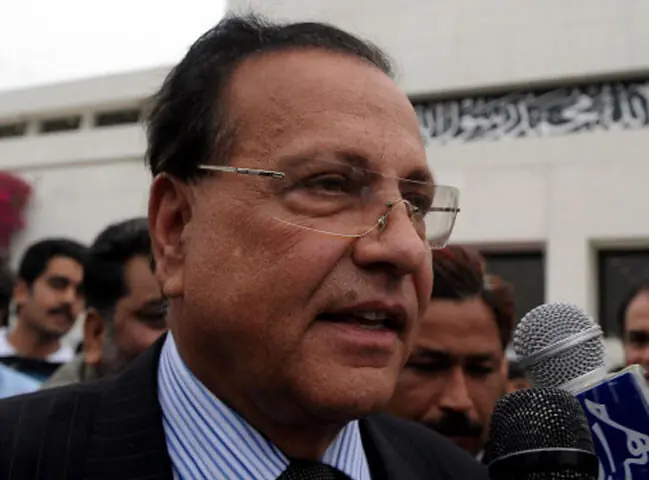
President Asif Ali Zardari imposed governor’s rule for two months, dismissing PML-N’s government after the Supreme Court disqualified Nawaz Sharif and Shehbaz Sharif.
Mr Zardari appointed Salman Taseer as the governor of Punjab. The provincial assembly was not suspended, but then-CM Shehbaz and his cabinet members were barred from holding office. The governor’s rule was lifted after a month.
8- Jan-Mar 2013 — Balochistan
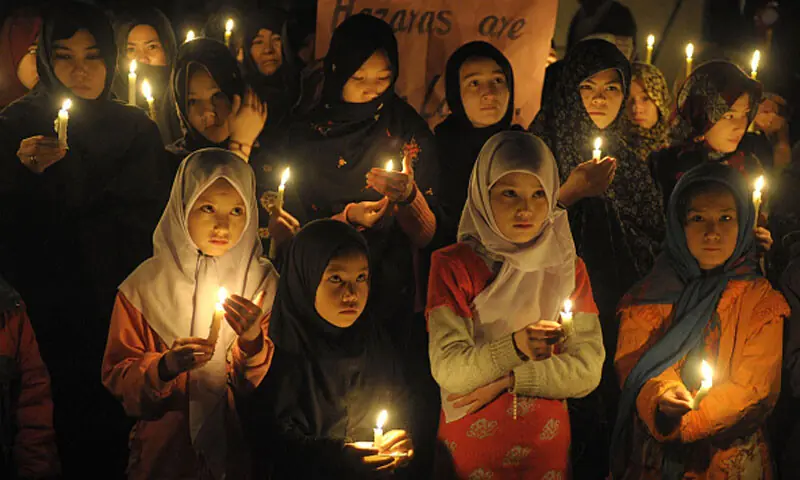
PPP’s PM Raja Pervez Ashraf dismissed Balochistan’s provincial government, yielding to nationwide protests.His announcement came as thousands of Hazara Shias staged a sit-in in freezing cold on Alamdar Road for three days, along with the bodies of dozens of people killed in twin bombings in Quetta. The carnage had resulted in over 90 fatalities.
The provincial government of CM Nawab Aslam Raisani was sacked, and Governor Nawab Zulfiqar Ali Magsi took charge as the chief executive of the province.
Published in Dawn, October 12th, 2026